




Best Tactical Gear for Duty: A 2026 Guide
Table of Contents
- How to Build Your Tactical Gear for Duty Loadout
- Essential Duty Belt Accessories Every Officer Needs
- Ballistic Protection, Patrol Gloves, and Tactical Lighting
- Best Tactical Shirts for Duty: What to Look For
- Budget vs. Mission-Critical Gear: How to Prioritize Your Spend
- Ergonomic Health and Injury Prevention on the Job
- Tactical Gear Maintenance Tips That Extend Service Life
- Frequently Asked Questions
Last Updated: September 2, 2026
Choosing the best tactical gear for duty separates officers who are prepared from those who are scrambling. At Rogue American, we've built our brand around law enforcement, military personnel, and high-threat security professionals who can't afford equipment failures on the job. This guide cuts through the noise and lays out exactly what your tactical loadout needs, how to prioritize your spend, and how to protect your body over a long career.
How to Build Your Tactical Gear for Duty Loadout
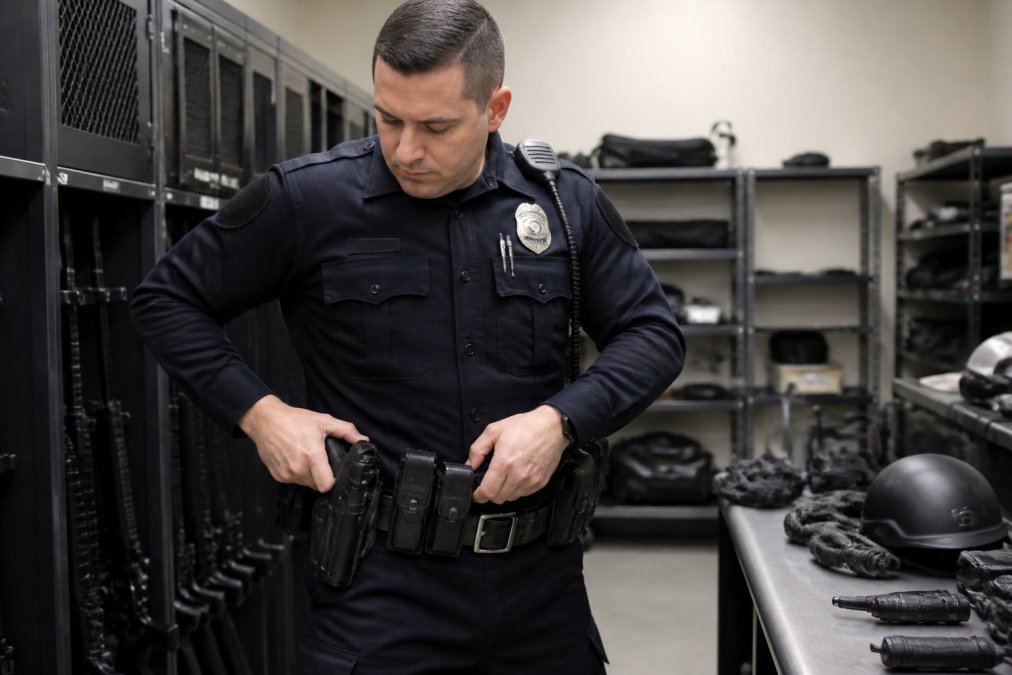
A tactical loadout for duty is the complete system of gear an officer or security professional carries during active patrol or operations. A well-built loadout balances accessibility, weight distribution, and mission-specific requirements so every piece of equipment is reachable without compromising mobility or endurance.
The biggest mistake rookies make is buying gear piece by piece without a system in mind. Build from the belt outward, establish your primary and secondary positions first, then add accessories.
Duty Belt Systems and Weight Distribution
The duty belt is the foundation of every patrol gear setup. A quality duty belt uses ballistic nylon or reinforced polymer construction to carry a typical load of 20 to 30 pounds when fully equipped, according to National Institute of Justice officer health research. That weight, distributed poorly, causes cumulative spine and hip damage over a career.
Key principles that hold up in the field:
- Position your heaviest items close to the centerline of your body, front and back, not on the sides
- Use a quality inner belt with hook-and-loop attachment to prevent the entire rig from rotating during pursuit or physical contact
- Distribute the load symmetrically where possible: handcuff case on one side, magazine pouch on the other
Duty belt suspenders transfer load from your hips to your shoulders and dramatically reduce lateral pressure on the iliac crest. If you're running a full tactical loadout for duty, suspenders aren't optional equipment.
Holster Selection and Retention Levels
Holster selection is a force-safety decision, not just a comfort preference. Retention levels are standardized: Level I offers friction only, Level II adds a secondary retention device, and Level III requires three deliberate actions to draw. Most patrol officers carry Level II or Level III retention holsters for duty.
The real difference between a good holster and a dangerous one comes down to trigger guard coverage and draw consistency under stress. Test any holster with your duty gloves on before committing to it on the job.
Essential Duty Belt Accessories Every Officer Needs
The accessories mounted to your duty belt define how quickly you can respond and how long you can function effectively.
Handcuffing Equipment and Hinge Cuffs
Standard chain handcuffs remain the most common restraint on patrol, but hinge cuffs offer a meaningful tactical advantage. Hinge cuffs are rigid restraints connected by a short hinge rather than a chain link, which limits the subject's wrist rotation and reduces resistance. Many high-threat security professionals and tactical units carry hinge cuffs as their primary restraint.
Carry at least two pairs. Keep your handcuff keys on a separate, quick-access location, not buried in a pocket or attached to a keyring with multiple items.
Belt Keepers, Suspenders, and Load-Bearing Add-Ons
Belt keepers connect your outer duty belt to your inner belt, preventing independent rotation and keeping your entire rig locked in position. Four keepers is the minimum for a fully loaded belt; six is better for heavier setups.
The MOLLE system extends your load-bearing options beyond the belt itself. A tactical vest or chest rig with MOLLE webbing lets you redistribute items off your belt entirely, which is particularly valuable during extended operations. The Raider Slick Chest Rig (Black Multicam) from Rogue American is made in the USA and designed to run ultra-low profile, fitting under a light jacket for plainclothes or undercover situations. It carries 2x rifle magazine pouches and 2x pistol magazine pouches, with a hook panel backing that attaches directly to a loop velcro plate carrier for seamless integration into a larger tactical vest system.

Ballistic Protection, Patrol Gloves, and Tactical Lighting
Three categories get lumped together here because officers consistently underspend on all three, then overspend trying to fix the problem after an incident.
Ballistic protection starts with understanding NIJ threat levels. The NIJ ballistic resistance standards for body armor define protection levels from Level IIA through Level IV, with soft armor rated up to Level IIIA covering most patrol scenarios. Vest suspension systems matter as much as the panels themselves. A vest that fits poorly rides up during a foot pursuit, exposing your lower abdomen.
Patrol gloves serve two distinct functions: impact protection during physical confrontations and dexterity retention for firearm manipulation. Needle-resistant gloves add a third layer for environments with high drug-related call volume. Abrasion-resistant construction on the palm and knuckle protection on the back are baseline features for any patrol environment.
Tactical lighting is one area where the cheapest option carries real operational risk. A primary duty flashlight should output enough lumens to temporarily impair night-adapted vision at arm's length, have a tail cap or side switch accessible with a firing grip, and run on a battery platform you can actually source on short notice. Carry a backup light.
Best Tactical Shirts for Duty: What to Look For
The best tactical shirts for duty perform under physical stress, don't print or ride up under a duty belt or vest, and hold up through repeated washing without losing their structure.
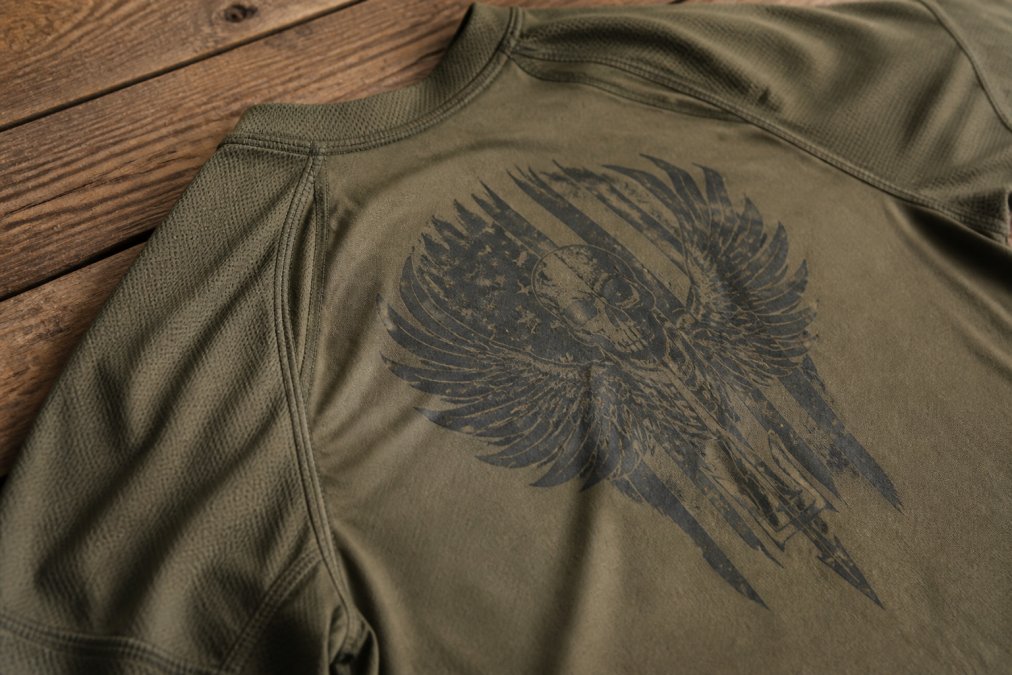
Seam integrity under a duty belt is the real test. The constant friction from belt keepers, a holster, and a radio clip creates wear patterns that cheap stitching can't handle. Look for reinforced seams at the shoulders and sides, and a fabric blend that resists pilling under abrasion.
Rogue American's tactical shirts, including the Boogieman Shirt and the Midnight Scalper Shirt, are built on a 60/40 poly-cotton tri-blend that balances breathability with durability. Both are pre-shrunk, which matters for officers who need a consistent fit under a vest or duty belt across a 12-hour shift. The Death Dealers Ace of Spades Shirt offers the same construction in olive, a practical color choice for off-duty or range use.


For female officers, fit is a legitimate performance issue. A shirt cut for a male frame rides up, bunches under a vest, and creates pressure points that distract during high-stress situations. When evaluating any tactical shirt, check whether the brand offers women's-specific cuts before purchasing.
| Feature | Why It Matters on Duty |
|---|---|
| Reinforced seam stitching | Resists wear from belt keepers and holster contact |
| Pre-shrunk fabric | Maintains consistent fit after repeated washing |
| Poly-cotton tri-blend | Balances breathability with abrasion resistance |
| Low-profile graphics | Works in both duty and civilian settings |
| Moisture management | Reduces discomfort during extended physical activity |
Budget vs. Mission-Critical Gear: How to Prioritize Your Spend
Most new officers face the same problem: a limited budget and a long list of required and recommended gear. The wrong approach is to buy mid-tier versions of everything. The right approach is to identify what protects your life and your ability to function, buy that first at the highest quality you can afford, and fill the rest in over time.
Here's a practical priority framework:
- Ballistic protection, non-negotiable, buy the best fit and certification you can afford
- Holster, a poor holster is a safety liability
- Duty belt and keepers, the system that holds everything else in place
- Handcuffing equipment, hinge cuffs and a reliable backup pair
- Tactical lighting, a quality primary and a cheap backup beats two cheap lights
- Patrol gloves, match to your specific assignment environment
- Tactical shirts and base layers, performance apparel that works under your rig
Quality gear actually costs less over a career. A duty belt that lasts eight years and a cheap one you replace every two years aren't the same price. Factor replacement cycles into every purchasing decision.
Ergonomic Health and Injury Prevention on the Job
The long-term physical cost of carrying a full patrol gear loadout is one of the most underreported issues in law enforcement health. According to research published through the Centers for Disease Control and Prevention officer health resources, musculoskeletal injuries are among the most common causes of lost duty time for law enforcement officers, with the lower back and hips being primary sites of chronic injury.
A few changes that make a measurable difference:
- Rotate your gear setup periodically during training to identify pressure points before they become injuries
- Use a vest suspension system that transfers weight from your hips to your shoulders on extended operations
- Stretch your hip flexors and lower back daily, the seated patrol car position shortens hip flexors and contributes directly to lumbar problems
- Strengthen your core specifically for load-bearing, the stabilizing muscles that hold your spine in alignment under asymmetric weight
Duty belt suspenders reduce hip and lower back load. This is an injury prevention strategy that extends careers.
Tactical Gear Maintenance Tips That Extend Service Life
Gear maintenance is where most guides go silent, which is exactly why it's worth covering. Neglected tactical gear fails at the worst possible time.
Ballistic nylon and fabric components: Wipe down with a damp cloth after each shift in wet or dirty conditions. Avoid harsh detergents on ballistic nylon pouches and holsters; they degrade the fibers that give the material its abrasion resistance. Air dry completely before storing.
Holsters: Inspect the retention mechanism monthly. Check the mounting screws on any accessory rail attachments and re-torque them on a regular schedule. A loose holster shifts your draw position without you noticing until you're under stress.
Tactical shirts and apparel: Machine wash in cold water and hang dry or use low heat. High heat degrades poly-cotton blends faster than any other single factor. Inspect seams at the shoulders and sides after every few washes.
Chest rigs and load-bearing equipment: Check all buckles and attachment points for cracks or deformation. The elastic magazine pouches on rigs like the Raider Slick Chest Rig should retain their tension; if they've stretched to the point where magazines move freely, the pouch has reached end of service life.
| Gear Category | Maintenance Frequency | Key Check |
|---|---|---|
| Holster retention mechanism | Monthly | Retention tension and mounting hardware |
| Duty belt and keepers | After each wet/dirty shift | Stitching integrity and buckle function |
| Ballistic vest and panels | Per manufacturer schedule | Panel condition and vest fit |
| Tactical shirts | Every few washes | Seam integrity at high-friction points |
| Chest rig and pouches | Quarterly | Buckle condition and elastic tension |
| Tactical lighting | Weekly | Battery level and switch function |
Building out the best tactical gear for duty is a system decision, not a shopping list. Every piece interacts with the others, and the gaps in your setup are exactly where problems occur. Prioritize ballistic protection and holster quality first, build your belt system around weight distribution, and treat your apparel as a performance layer rather than an afterthought. Rogue American was built by veterans for the communities that carry this gear every day. Our tactical shirts are engineered for durability under load, and our chest rigs are made in the USA for operators who can't afford to compromise. Sign up and save on your first order at Rogue American and get gear that stands for something.
Frequently Asked Questions
What is the best tactical gear for duty officers on long shifts?
The best tactical gear for duty on long shifts prioritizes weight distribution and ergonomic design. A well-fitted duty belt with quality belt keepers prevents sagging and reduces lower-back strain. Pair it with needle-resistant patrol gloves, a retention holster suited to your draw style, and a tactical vest or load-bearing platform that spreads weight across your torso. Abrasion-resistant, moisture-wicking apparel underneath keeps you comfortable across a 10- to 12-hour shift without riding up or printing under the belt.
How should you organize a tactical duty belt for maximum efficiency?
Place your most frequently accessed gear on your dominant side and position heavier items, such as your firearm and spare magazines, close to the centerline of your body to reduce torque on your spine. Handcuff keys and a compact tactical flashlight should sit within one-handed reach. Use belt keepers every few inches to prevent rotation, and add duty belt suspenders if your total loadout exceeds roughly 20 pounds. Consistent placement builds muscle memory so fine motor control holds up under stress.
What materials should you look for in high-durability tactical apparel?
Look for poly-cotton tri-blend or ripstop fabrics that resist abrasion and hold their shape through repeated washing. Reinforced stitching at stress points, preshrunk construction, and breathable weaves matter most for first responder equipment worn across full shifts. Ballistic nylon is the standard for duty belt platforms and holsters. For base layers and shirts worn under a duty belt or tactical vest, lightweight fabrics that wick moisture and resist bunching keep you focused on the job rather than adjusting your gear.
What are the essential tactical gear items for rookie officers?
Rookie officers should prioritize in this order: a compliant duty belt with quality belt keepers, a retention holster rated to your department's standard, handcuffing equipment including hinge cuffs and a spare handcuff key, tactical lighting with a quick-access mount, and ballistic protection approved under NIJ standards. Patrol gloves with needle-resistant panels protect against sharps. Once the mission-critical items are covered, add a patrol bag and load-bearing accessories. Apparel that fits cleanly under the duty belt without printing rounds out the foundational tactical loadout.
How does lightweight tactical gear improve performance on duty?
Carrying less cumulative weight reduces fatigue across a full shift and preserves fine motor control during high-stress situations. Officers carrying overloaded duty belts report higher rates of lower-back and hip injury over time. Lightweight, durable construction in holsters, pouches, and apparel achieves the same protection with less strain. Tactical vests with a MOLLE system let you configure only the gear you need for a given assignment, keeping the loadout lean without sacrificing personal protection or quick-access capability.
How do you maintain tactical gear to extend its service life?
Wipe down ballistic nylon components with a damp cloth after each shift and inspect stitching and retention mechanisms weekly. Machine-wash tactical apparel in cold water and hang dry or use low heat to preserve fabric integrity and prevent shrinkage. Lubricate holster retention hardware per the manufacturer's schedule. Store gear away from direct sunlight, which degrades nylon and elastic over time. Field-tested gear that is cleaned and inspected regularly consistently outlasts neglected equipment, reducing replacement costs and keeping your loadout mission-ready.