




Buy High Quality Tactical Gear: 7 Pro Picks
Table of Contents
- What Defines High Quality Tactical Gear
- Raider Slick Chest Rig: Low-Profile Load Bearing
- No Time Duck Camo Hoodie: Performance Meets Concealment
- How to Choose a Plate Carrier That Fits Your Mission
- Build Your Essential EDC Tactical Gear List
- Tactical Gear Maintenance Tips for Longevity
- Budget vs. Professional Grade: Where to Spend
- Final Call: Gear That Earns Its Place
- Frequently Asked Questions
Last Updated: September 5, 2026
The difference between gear that fails you and gear that has your back comes down to materials, stitching, and honest design. This guide from Rogue American breaks down what separates professional-grade equipment from cheap replicas, how to evaluate construction, what to look for in a plate carrier, and which items belong on your essential EDC list.
What Defines High Quality Tactical Gear
Construction quality starts with tensile strength and abrasion resistance. Look for bar-tack stitching at stress points, which prevents seams from pulling apart under load. Materials like 1000D nylon offer superior durability for load-bearing items, while ripstop fabric prevents tears from spreading (peer-reviewed research).
A common mistake is confusing "tactical-looking" with "tactical-grade." Many brands use heavy cotton canvas that looks rugged but soaks up water. Professional-grade gear uses synthetic fabrics engineered for moisture management and quick drying.
Quality buckles, zippers, and hook-and-loop closures should operate smoothly and lock securely. If a buckle feels flimsy in the store, it will fail in the field.
Raider Slick Chest Rig: Low-Profile Load Bearing
For operators who need to carry rifle and pistol magazines without broadcasting their loadout, the Raider Slick Chest Rig is a standout choice. Priced at $99.99, this American-made rig is designed to be worn unnoticed under a light jacket or sweatshirt.

The rig features 2x elastic 5.56x45mm rifle magazine pouches and 2x pistol magazine pouches fitted for optimum retention. It also accommodates 7.62x39mm AK magazines, though the locking tabs may cause premature wear over time. A hook panel backing allows the rig to attach directly to a loop Velcro-equipped plate carrier, and a loop cover panel is included for standalone use.
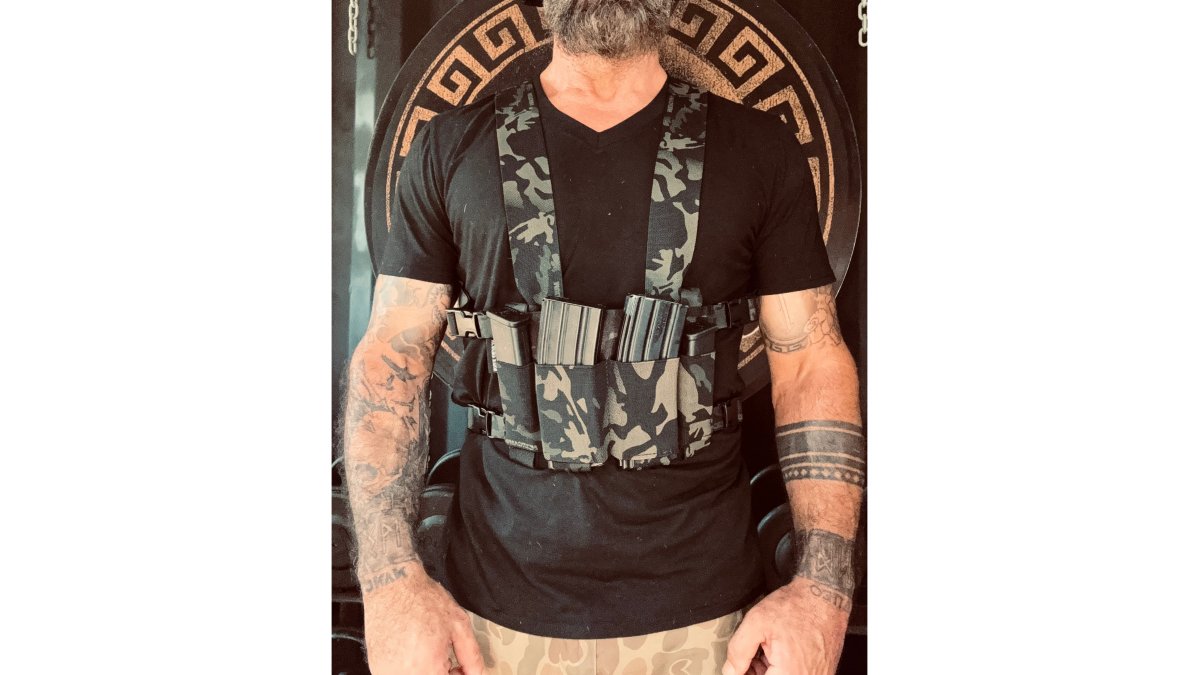
What sets this rig apart is its integration flexibility: vertical webbing loops allow slotted buckles for swift clip plate carriers, and side webbing loops connect to an H-Harness or carrier side attachment points.
No Time Duck Camo Hoodie: Performance Meets Concealment
Not every mission requires a plate carrier. The No Time Duck Camo Hoodie blends rugged style with functional performance. At $69.99, it is built from premium heavyweight fleece with a duck camo print for field and civilian settings.

Duck camo is one of the most effective concealment patterns for woodland and brush, mimicking the natural texture of bark and foliage at close range for hunters, photographers, and anyone needing to stay low-profile outdoors.
The hoodie includes a kangaroo pocket, ribbed cuffs and hem that seal in warmth, and heavyweight fleece that insulates without bulk, making it a solid mid-layer under a chest rig or plate carrier.
How to Choose a Plate Carrier That Fits Your Mission
Choosing a plate carrier is a two-part problem: selecting the right ballistic plates and finding a carrier that fits both you and those plates perfectly.
Step 1: Plate Size and Shape Dictates Carrier Size
The plate is the foundation. Before looking at any carrier, you must know the exact dimensions and thickness of your plates. The most common size for civilian and law enforcement use is the 10x12 shooter's cut plate, which clips the top corners for better rifle shouldering (nij.ojp.gov).
- SAPI Cut: The traditional rectangular cut with squared-off corners. This is the standard for military issue plates and offers maximum coverage but can interfere with shouldering a rifle for some body types.
- Shooter's Cut: The most popular choice for civilian and LE use. It removes material at the top corners to allow for a more natural cheek weld and easier weapon manipulation.
- Swimmer's Cut: An aggressive cut that removes material from the top corners and the bottom sides. This is designed for maximum arm mobility, often favored by maritime units or those who need to paddle or climb.
The Critical Measurement: Plate thickness matters more than most people think. A Level IV ceramic plate is often thicker than a Level III+ polyethylene plate, and a carrier designed for a thin plate may be too loose for a thicker one. Always check the manufacturer's specification for maximum plate thickness.
Step 2: The 'Collarbone to Belly Button' Rule for Carrier Fit
A plate carrier is not a backpack; it sits high on the chest. The top edge of the plate should sit approximately two finger-widths below the collarbone notch, and the bottom edge should end roughly at the bottom of the sternum, protecting vital organs without restricting your ability to bend or shoulder a rifle.
Adjust the shoulder straps to raise or lower the platform; leaving them too long causes sagging and exposes your upper chest. The cummerbund should be snug enough to prevent shifting but not so tight that it restricts breathing.
Step 3: The MOLLE/PALS Compatibility Matrix
A high-quality carrier is not just a bag for plates; it is a mounting platform. The standard for modular attachment is PALS webbing, the grid of horizontal and vertical nylon rows. MOLLE is the system of pouches that weave into this webbing.
The Compatibility Matrix:
| Webbing Type | Row Spacing | Common Use | Compatibility |
|---|---|---|---|
| Standard PALS | 1 inch | Most tactical pouches, holsters, and admin panels | Universal for all MOLLE-compatible gear |
| Laser-Cut Laminate (LCL) | 1 inch | Modern, low-profile pouches | Compatible with standard PALS, but often requires specific 'skeletonized' clips |
| Swift Clip | N/A | Chest rigs and placards | Requires a female buckle receiver on the carrier's front flap |
The Slick vs. Modular Decision
Your mission dictates the platform. A slick carrier with minimal webbing is ideal for low-visibility operations but has limited attachment options. A modular carrier with full PALS coverage is better for patrol or classes where you need to carry magazines, a medical kit, and a radio. The trade-off is weight and bulk, a fully loaded modular carrier can exceed 20 pounds before adding plates.
Build Your Essential EDC Tactical Gear List
An essential EDC tactical gear list prioritizes items that address immediate threats and daily needs without weighing you down. The core principle is redundancy for critical functions, not duplication that adds bulk.
Medical capability is non-negotiable. An emergency medical kit with a tourniquet, hemostatic gauze, and chest seals can mean the difference between life and death in a critical incident. The Committee on Tactical Combat Casualty Care guidelines recommend carrying at minimum a tourniquet and pressure dressings for self-aid and buddy aid.
For daily wear, the apparel you choose matters. Silkies with pockets, like the Loud and Proud and Rhodesian options from Rogue American at $39.99, offer a lightweight, breathable choice for hot weather or gym sessions. The integrated pockets let you carry small essentials without needing a separate bag.
A dedicated trauma kit should be staged where you can reach it with either hand. Many operators mount a small medical pouch on their belt or chest rig at the 6 o'clock position, keeping the front clear for primary magazine access.
Tactical Gear Maintenance Tips for Longevity
Tactical gear is a financial and life-safety investment. The most common cause of premature failure is not hard use, it is neglect and improper care.
The Nylon Care Protocol: Beyond 'Hand Wash'
Nylon, specifically 1000D Cordura, has two enemies: UV radiation and abrasive dirt. UV rays break down polymer chains, causing brittleness and fading. Dirt and grit act like sandpaper, wearing down fibers and stitching.
The Cleaning Process:
- Initial Rinse: Use a garden hose or shower head to rinse off loose dirt and debris. Do not use a pressure washer; the high pressure can force water and grit into the seams and zippers.
- The Wash: Fill a tub or large sink with cold water. Add a small amount of a mild, non-detergent soap. Crucial: Do not use standard laundry detergent. Detergents often contain optical brighteners and enzymes that can degrade nylon's water-resistant coating and weaken the fibers. A specialized tech wash like Nikwax Tech Wash or Grangers Performance Wash is ideal. If you must use a household product, a tiny amount of Dr. Bronner's Pure-Castile Soap is a safe alternative.
- The Scrub: Use a soft-bristled brush (like a nail brush) to gently agitate the fabric, paying special attention to areas with caked-on mud or salt residue from sweat. Salt is highly corrosive to metal hardware and can stiffen nylon.
- The Rinse: Rinse thoroughly with cold water until the water runs clear and no soap suds remain.
- The Drying: Hang the gear to dry in a shaded, well-ventilated area. Never put nylon load-bearing gear in a machine dryer. The heat will shrink the webbing, warp plastic buckles, and can melt the hook-and-loop closures. Direct sunlight will accelerate UV degradation, so a garage or closet is better than a clothesline.
Repairing the 'Unrepairable': Stitching and Webbing
The most common failure point on tactical gear is the stitching. When a seam starts to pull, it is not the end of the gear's life. It is a call to action.
The Bar-Tack Repair: A bar-tack is a dense, zig-zag stitch used at stress points. If one fails, re-sew it with a heavy-duty sewing machine and size 69 (V69) bonded nylon thread, the same thread used in original manufacturing. Without a machine, a Speedy Stitcher sewing awl can create a functional repair using a lock-stitch or baseball stitch that will not easily unravel.
When to Retire Gear:
- Frayed Webbing: If the webbing on your cummerbund or shoulder straps is fraying to the point where the core fibers are exposed, the structural integrity is compromised. This is not repairable and the component should be replaced.
- Cracked Plastic: If a buckle or a quick-release mechanism is cracked or has a hairline fracture, replace it immediately. Do not attempt to glue it. The plastic can fail catastrophically under load.
- Delaminated Hook-and-Loop: If the hook-and-loop (Velcro) is separating from its backing, it can sometimes be re-glued with a high-strength adhesive like Aquaseal SR, but this is often a temporary fix. If the hook-and-loop itself has lost its 'grip' due to being clogged with lint and debris, you can often revive it.
Reviving Hook-and-Loop: Use a stiff-bristled brush (like a suede brush) to clean out the 'loop' side. For the 'hook' side, use a fine-toothed comb or a piece of hook-and-loop cleaner to remove lint and fibers. This simple step can restore 80% of the holding power of a worn-out closure.
The Specifics of Apparel and Footwear
- Poly-Cotton Tri-Blends: These shirts (like the Boogieman and Midnight Scalper) are durable but can be damaged by high heat. Wash in cold water and hang dry. If you must use a dryer, use the lowest heat setting and remove the garments while they are still slightly damp. High heat will cause the polyester fibers to melt and pill, ruining the fabric's hand-feel and moisture-wicking properties.
- Heavyweight Fleece (e.g., Duck Camo Hoodie): Fleece is synthetic and prone to pilling. Wash inside out in cold water on a gentle cycle. Do not use fabric softener, as it coats the fibers and reduces their ability to insulate. Hang dry to maintain the loft of the fleece.
- Tactical Boots: Leather and suede boots need regular conditioning to prevent cracking. Nylon boots should be cleaned of dirt and grit after every use. Remove the insoles and let them air dry completely to prevent bacterial growth and odor.
Storage: The Final Frontier
How you store your gear is as important as how you clean it.
- Plate Carriers: Never store a plate carrier with plates installed in a compressed or folded position. The constant pressure can deform the plate's protective layers and compromise its ballistic performance. Store plates flat and separate from the carrier when possible.
- Chest Rigs and Pouches: Store them flat or hanging, not wadded up in a duffel bag. Use a gear closet or a dedicated shelf. Avoid storing in a hot car trunk, as extreme heat can degrade adhesives and warp plastic components.
- The 'Dry Box' Method: For gear you use in wet environments, keep a dedicated plastic bin with a desiccant pack (silica gel) to absorb moisture. This prevents mildew and rust on metal hardware.
Budget vs. Professional Grade: Where to Spend
The tactical gear market spans from budget imports to professional-grade, American-made equipment. For load-bearing items that hold your life-safety gear, such as plate carriers and chest rigs, professional grade is non-negotiable.
For apparel, the decision is more nuanced. A $29.99 shirt like the Boogieman or Midnight Scalper offers a poly-cotton tri-blend that balances comfort and durability for daily wear and repeated washing.

Allocate your budget first to ballistic protection, then load-bearing systems, then medical, and finally apparel. For mission-specific items you use less frequently, mid-tier pricing is acceptable.
Final Call: Gear That Earns Its Place
The gear you carry should reflect the standard you hold yourself to. Cheap equipment that fails under pressure is not just an inconvenience; it is a liability.
Rogue American builds gear for those who refuse to accept mediocrity. From the low-profile Raider Slick Chest Rig at $99.99 to the rugged No Time Duck Camo Hoodie at $69.99, every piece is crafted with a veteran-owned ethos and designed to perform in the field, on the range, and in daily life.
Frequently Asked Questions
How do I identify high-quality tactical equipment vs. airsoft grade?
Check the materials and construction. High quality tactical gear uses ripstop fabric, reinforced stitching, and genuine MOLLE/PALS webbing. Airsoft grade gear often has thin straps, weak buckles, and inconsistent stitching. A quality plate carrier or chest rig should feel rugged and handle repeated use without fraying.
What is the best online store for tactical gear?
The best store depends on your needs. For high quality tactical gear that is veteran-owned and American-made, Rogue American is a strong choice. Their Raider Slick Chest Rig at $99.99 offers professional-grade load bearing at a fair price. Look for stores that provide detailed specs and stand behind their products with clear policies.
What should be on my essential EDC tactical gear list?
Your essential EDC tactical gear list should start with a reliable knife, a light source, and a way to carry them. Add a trauma kit with a tourniquet, and a multi-tool for field repairs. Consider a low-profile chest rig like the Raider Slick for magazine retention. Build your list around your mission and environment, not just trends.
Can civilians legally own tactical gear?
Yes, civilians can legally own most tactical gear in the United States. This includes plate carriers, chest rigs, tactical clothing, and medical kits. Body armor is legal in most states, though some have restrictions on convicted felons. Always check your state and local laws before purchasing. Items like the No Time Duck Camo Hoodie have no restrictions.
How often should I maintain my tactical gear?
Inspect your gear after every use and perform a full cleaning monthly if used regularly. For tactical gear maintenance tips, follow the manufacturer's care instructions. Machine wash apparel in cold water and hang dry to preserve fabric integrity. Check buckles and webbing on load bearing equipment for wear before each mission.
Building a tactical kit is a process of continuous refinement. Start with the essentials, invest in quality where it counts, and maintain your gear so it lasts. Sign up and save on your next order, and outfit yourself with gear that stands for something.