




Guide to Tactical Weekend Packing That Works
A weekend bag should not look like you packed for a month-long deployment, and it should not leave you digging for socks at 11 p.m. in a hotel parking lot. This guide to tactical weekend packing is built for the man who wants to move with purpose: enough gear to handle the plan, enough margin to handle the unexpected, and no dead weight slowing him down.
The goal is not to own the most gear. The goal is to carry the right gear, know where it is, and be ready to roll without turning every two-night trip into a logistical failure.
Start With the Mission, Not the Bag
Before you throw a shirt into a duffle, define the weekend. A road trip with buddies, a range day, a work trip, a family visit, and a backcountry cabin run all demand different equipment. Tactical packing starts with context.
Ask three questions: Where are you going? What are you doing? What happens if the weather, schedule, or transportation changes? That last question is where most people fail. They pack for the best-case plan and have nothing for a soaked jacket, a delayed return, or a long walk after a vehicle issue.
This does not mean packing out of fear. It means respecting friction. A disciplined loadout accounts for it without becoming a rolling storage unit.
For a typical two- or three-night trip, use a simple framework: clothing and hygiene, mission-specific gear, medical and contingency items, and documents or electronics. Build each group separately, then consolidate it into one main bag and one small quick-access bag.
Choose One Main Bag and One Access Bag
A hard-use duffle or compact travel pack is the right foundation for most weekend movement. It should open wide enough to see what you brought, hold its shape when partially full, and take abuse without looking like it belongs in an airport business lounge.
Avoid the temptation to bring multiple large bags. One main bag forces better decisions and keeps you mobile. If you cannot carry your kit from the truck to a hotel room, campsite, or buddy's house in one trip, you packed too much or chose the wrong platform.
Your second bag should be smaller and stay close. Think sling, daypack, or organizer pouch. This is where you keep the items you may need while moving: wallet, ID, phone charger, sunglasses, notebook, flashlight, hearing protection, medications, and a basic first-aid kit. If you are flying, this bag is also where your critical items belong.
The split matters. Your main bag supports the weekend. Your access bag supports the next few hours.
Build by modules, not loose items
Loose gear becomes a mess fast. Pack in modules that can be lifted out, checked, and repacked without tearing apart the entire bag. A packing cube or simple zip pouch works fine. Fancy organization is optional. Consistency is not.
Keep clothing together, hygiene together, cables together, and medical supplies together. Use the same position every time. When your flashlight is always in the top-right pouch and your spare socks are always at the bottom of the clothing cube, you do not waste time searching.
The Clothing Loadout: Less, Better, Tougher
Weekend clothing should earn its place. Bring pieces that layer, handle weather swings, and work in more than one setting. A shirt that works at breakfast, on the road, and at a casual dinner is more valuable than three outfits built around one narrow plan.
For most trips, pack two to three shirts, one extra pair of underwear and socks beyond the number of nights, one versatile pair of pants or shorts, sleep gear, and a dependable outer layer. Wear your bulkiest footwear and outerwear while traveling whenever possible. That frees up space and keeps the bag from becoming a brick.
Choose fabrics based on the job. Cotton is comfortable and familiar for normal travel. Synthetics or merino make more sense when you expect sweat, rain, training, or limited access to laundry. There is no universal answer. The right material depends on climate, activity, and how hard you plan to push.
Color matters, too. Neutral, earth-tone, and dark colors hide dirt, mix easily, and avoid the need to pack matching outfits. This is not about looking tactical for the sake of it. It is about reducing decisions and keeping your wardrobe functional.
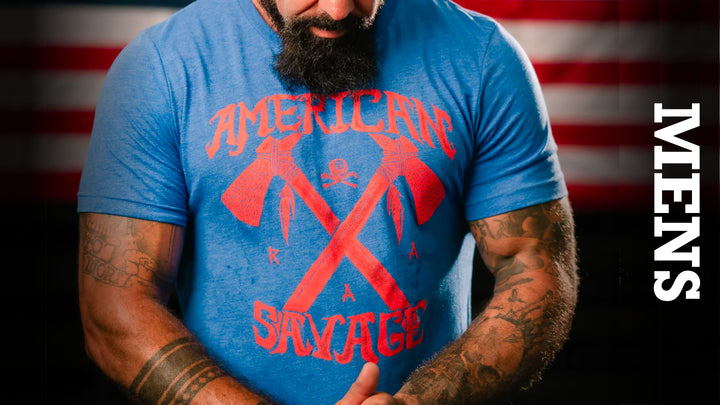
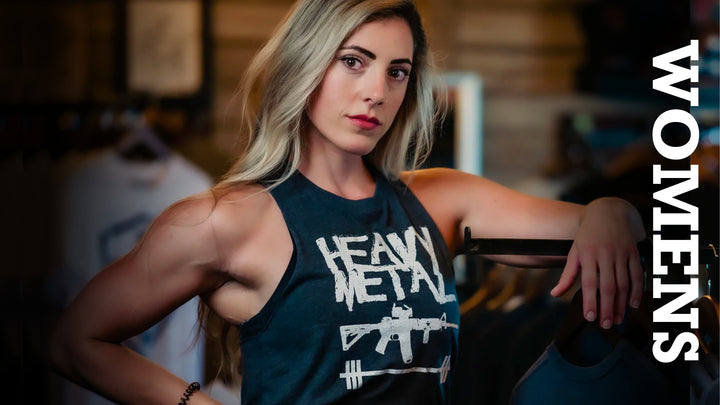
A quality graphic tee, durable shorts or jeans, and a clean hat can carry a lot of ground on a short trip. Rogue American built its name around gear and apparel for people who stand for something, not people who need a different costume for every stop.
Pack for Weather, Not the Forecast
The forecast is a data point, not a guarantee. A 20-degree temperature swing, unexpected rain, or hard wind can change the entire trip. Pack one compact layer that can handle the conditions most likely to make you miserable.
For warm weather, that may be a lightweight shell and an extra pair of socks. For colder conditions, it may be a beanie, insulated layer, gloves, and a rain barrier. Do not bring every cold-weather item you own. Bring the layer that gives you the biggest capability increase for the least bulk.
Footwear is another trade-off. A second pair is useful if your primary boots get wet or if you need something cleaner for indoors. But shoes consume space quickly. If the weekend does not include mud, water, or training, one dependable pair may be enough.
Build a Small Contingency Kit
A contingency kit is not a survival fantasy bag. It is a compact collection of items that solves common problems before they become expensive, painful, or time-consuming.
Keep it small enough that it stays in the bag on every trip. A basic kit can include:
- A compact first-aid pouch with bandages, antiseptic, pain reliever, and personal medications
- A quality flashlight with fresh batteries or a charged rechargeable cell
- A power bank, charging cable, and wall plug
- A multitool or small utility tool where legal and appropriate
- A lighter, small roll of tape, and a few zip ties
- A notepad and pen for addresses, vehicle information, or notes when a phone is dead
Keep Range and Training Gear Separate
A range weekend requires more than tossing hearing protection into the bottom of a clothing bag. Keep training equipment in a dedicated container or pouch so it stays clean, accounted for, and separate from normal travel items.
Your range module may include eye and ear protection, hydration, sunscreen, a brimmed hat, cleaning supplies, a notebook, and any legally transported equipment required for the day. Pack it after you confirm the range rules, expected weather, and the training plan. Bringing random gear because it "might be useful" is how essential items get buried.
The same principle applies to gym gear, fishing gear, motorcycle equipment, or work tools. Give the mission-specific equipment its own module. When the plan changes, you can remove or replace that module without rebuilding your whole bag.
Use a Last-Call Check Before You Move
The final five minutes before departure are where a solid packing system proves itself. Do not trust memory when you are rushed. Use the same mental check every time: identification, payment, phone, keys, medications, water, and charger.
Then check the mission items: clothing layer, footwear, hygiene kit, and the specific gear that justified the trip in the first place. If you are driving, add vehicle basics such as a tire gauge, roadside supplies, and seasonal gear as appropriate. If you are flying, confirm airline restrictions before leaving home, not at the security line.
A good bag should be ready to grab, not rebuilt from scratch every Friday afternoon. Keep your core pouches stocked between trips. Replace used medical supplies, recharge batteries, wash clothing, and put everything back in its assigned place. That routine turns packing from a chore into a capability.
The strongest weekend loadout is not the one with the most patches, pockets, or gadgets. It is the one that gets you out the door fast, keeps you squared away when plans get messy, and lets you focus on the people and mission in front of you. Pack with intent, carry what earns its weight, and leave room for the road to surprise you.