



Masculine Lifestyle Apparel That Stands Up
You can spot the difference fast. One shirt is made to chase trends, photograph well, and disappear next season. The other feels like it belongs in your real life - on the range, in the gym, at the shop, on the road, or around a fire with men who still believe loyalty and grit mean something. That is where masculine lifestyle apparel earns its place.
This category is not about costumes. It is not about throwing on camo and calling it character. Real masculine lifestyle apparel carries weight because it reflects a code. Strength. Readiness. Discipline. Pride in country. Respect for those who serve. A refusal to blend in just because the culture got soft.
That is why the best pieces hit differently. They do not just fit your frame. They fit your values.
What masculine lifestyle apparel really means
A lot of brands use the word masculine when they really mean oversized, loud, or aggressively styled. That misses the point. Masculinity in clothing is not about looking hard for the sake of it. It is about wearing gear that communicates purpose.
Good masculine lifestyle apparel should feel grounded. The fabrics need substance. The fit should flatter without turning into painted-on vanity wear. The graphics, if there are graphics, should say something clear. Not fake rebellion. Not manufactured edge. Conviction.
That conviction can show up in different ways. For one guy, it is a clean black tee, solid denim, and a hat that nods to service and country. For another, it is military-inspired outerwear, rugged shorts, and gear that looks ready to work. Neither approach is wrong. What matters is whether the apparel feels earned and wearable, not theatrical.
There is also a trade-off worth saying out loud. If every piece screams at maximum volume, the message gets weaker. Strong style needs restraint. A statement shirt has impact because it is backed by dependable basics. Identity lands harder when it is built, not overdone.
The backbone of masculine lifestyle apparel
The best wardrobes in this space are not massive. They are deliberate. You do not need fifty forgettable pieces. You need gear you will actually reach for.
Start with shirts. Tees and long sleeves do most of the heavy lifting. This is where comfort, fit, and message come together. A premium shirt should hold shape, move well, and still look right after repeated wear. If it carries graphics, those graphics should mean something - patriotism, defiance, warrior culture, brotherhood, or the kind of dark humor that only makes sense if you have lived a little.
Then come jeans and shorts. This is where too many brands fail. They either go fashion-tight or utility-baggy. Neither works for most men. A strong pair of jeans should give you room to move without looking sloppy. Shorts should hit that same balance. Clean lines. Rugged construction. Nothing flimsy.
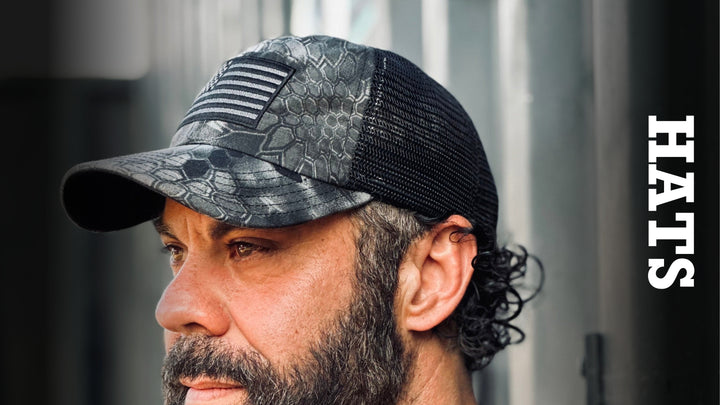
Hats matter more than people admit. A good hat is not an afterthought in this world. It is a flag you wear without saying a word. Same goes for bags, wallets, and small accessories. They finish the look, but more than that, they make the lifestyle feel complete.
And then there are the pieces beyond apparel - coffee, grooming products, garage gear, wall art. Some people roll their eyes at that. Fair enough. But for the right customer, it is not random merchandising. It is an ecosystem. If your standards apply to what you wear, they probably apply to what you carry, drink, and keep around your space too.
Why military-inspired style still hits
Military influence has stayed relevant for a reason. It was built on utility first. Field jackets, durable pants, canvas bags, subdued colors, strong stitching - these were never created to impress fashion editors. They were made to work.
That history gives military-inspired style a credibility trend brands cannot fake. When done right, it signals discipline and readiness. When done poorly, it turns into costume gear for people playing soldier. That line matters.
The difference usually comes down to restraint and authenticity. A military-inspired tee with clean design and a clear message works. A jacket built with durable materials and practical structure works. A wardrobe overloaded with patches, gimmicks, and cheap tactical details does not. You want influence, not parody.
This is one reason veteran-founded brands carry more weight in the space. They are not borrowing the language. They lived it. That does not automatically make every product better, but it does change the credibility behind the message. And in a category built on identity, credibility is not optional.
Masculine style has to function in the real world
Here is where a lot of fashion talk gets useless. Most men do not need a wardrobe for runways or rooftop parties. They need clothes that can handle real movement and still look sharp. That means masculine lifestyle apparel has to perform in normal American life.
It should work if you train before work, grab coffee after, run errands, hit the range on the weekend, and meet friends at night without changing your entire identity every few hours. That kind of versatility is not boring. It is the whole point.
Function also changes depending on where you live and how you live. A guy in Texas may build around lightweight shirts, hats, and durable shorts. A guy in the Midwest may care more about layering, outerwear, and heavier denim. Someone in law enforcement, the trades, or a physically active job may prioritize mobility over any fashion detail. It depends. The right wardrobe is the one that matches your environment without compromising your standards.
How to tell if a brand gets it
Plenty of companies slap patriotic graphics on average blanks and call it a mission. That is not enough. If you are buying masculine lifestyle apparel, you should expect more than slogans.
Look at construction first. Does the fabric feel substantial? Does the fit work on an actual adult male body, especially one that lifts, works, or carries muscle? Do the prints hold up? Do the details look intentional or rushed?
Then look at message. Is the brand saying something real, or just farming attention? There is a difference between conviction and marketing theater. Strong brands know who they are. They are not trying to appease everyone. They are building for a tribe.
That is where Rogue American Apparel fits naturally in this conversation. Veteran-owned, mission-driven, and built around the idea that what you wear should stand for something, it understands that customers in this category are not shopping for decoration. They are buying alignment.
Building a wardrobe with conviction
If you want your clothing to reflect grit instead of noise, start simple. Build around foundational pieces that carry strength without needing explanation. A few premium tees. Solid denim. Functional shorts. A reliable hat. One or two outer layers with presence. Add statement pieces where they count, not everywhere at once.
Color matters here too. Black, charcoal, olive, navy, tan, and heather gray stay strong because they are versatile and grounded. Red, white, and blue can hit hard when used with purpose. Loud colors are not off-limits, but they should serve the look, not hijack it.
Fit is the final battlefield. Baggy does not mean tough. Skin-tight does not mean disciplined. Wear clothes that give your frame structure and let you move. If you train, your apparel should respect that. If you work with your hands, it should keep up. If it only looks good standing still in a mirror, it is probably the wrong piece.
The point is not fashion approval
Masculine lifestyle apparel is not about getting approval from people who do not share your values. It is about wearing gear that feels honest when you put it on. Honest to your standards. Honest to your work. Honest to your country, your people, and the way you carry yourself.
That honesty is what separates a real wardrobe from a closet full of trends. The right shirt becomes a favorite because it says something. The right jeans earn their place because they hold up. The right hat turns into part of your daily kit because it feels like you, not because an algorithm pushed it.
Wear what reflects your code. Keep what performs. Cut what does not. If your clothes are going to make a statement, make sure it is one worth standing behind.