



Range Day Outfits That Actually Work
The wrong shirt can turn a solid training session into an irritating mess fast. One hot casing down the collar, one stiff pair of jeans that fights every movement, or one cheap belt that sags under a holster, and you remember quick that range day outfits are not about looking tactical for the sake of it. They are about comfort, safety, movement, and showing up ready.
A good range outfit does two jobs at once. It protects you from the little things that wreck focus, and it lets you move like you mean it. Draws, reloads, kneeling, prone work, walking drills, long hours in the sun - your clothing is part of the system. If it binds, snags, rides up, overheats, or falls apart, it is a liability.
What range day outfits need to do
The best range day outfits are built around function first. That does not mean you need to look like you are headed to a movie set. It means every piece should earn its place. Your shirt should handle sweat and keep hot brass from finding skin. Your pants or shorts should move with you and carry what needs carrying. Your footwear should keep you planted on gravel, dirt, concrete, or uneven ground.
There is also the reality that every range is different. An indoor lane on a weekday night calls for a different setup than an all-day outdoor class in July. Private land gives you more freedom. Formal instruction usually demands more discipline in what you wear and how you carry gear. So the right answer is rarely one perfect outfit. It is a framework.
Start with this rule: dress for the work, not the photo. If a piece looks aggressive but performs poorly, it is dead weight.
Start at the top - shirts that protect and move
Shirts matter more than people think. A loose, lightweight cotton tee can feel great for the first twenty minutes, then hold sweat, cling to your body, and turn heavy in the heat. On the other hand, some synthetic performance shirts breathe well but can feel too slick under a sling or too thin when brass starts flying.
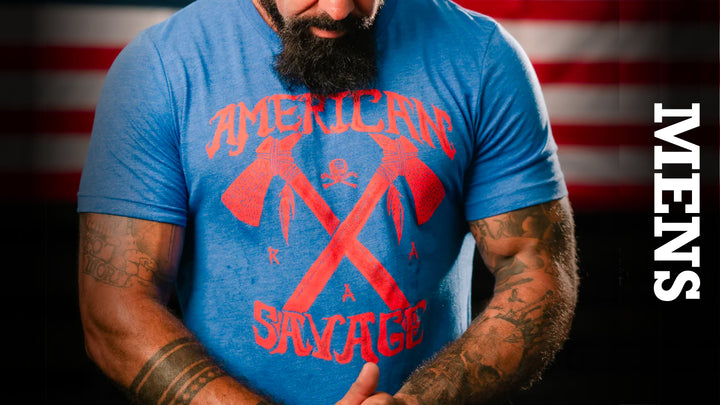
A solid range shirt usually lands in the middle. You want enough structure to protect your skin and enough stretch or room to move naturally. A fitted but not tight tee works for hot weather if the collar sits close enough to reduce the chance of brass dropping straight to your chest. In cooler weather, a long-sleeve performance shirt or a lightweight overshirt gives you another layer of protection without turning you into a heat casualty.
This is where trade-offs matter. Cotton is comfortable and familiar, but it can get swampy fast. Synthetic blends dry quicker and handle sweat better, but some feel cheap or trap odor after a long session. If you are running drills hard, a quality blend usually wins.
Avoid anything overly baggy. Excess fabric catches gear, shifts under a belt, and gets in the way during presentation from the holster. Avoid deep V-necks, tank tops, and anything that leaves too much skin exposed. The range is not the place to learn that hot brass has perfect timing.
Pants, shorts, and the movement test
Your lower half needs to pass one simple test. Can you squat, kneel, step laterally, and get in and out of awkward positions without fighting your clothes? If the answer is no in your living room, it will be worse on gravel with a timer running.
For many shooters, durable pants are still the safest bet. They protect your legs from brass, rough surfaces, bugs, and sun exposure. They also tend to carry gear better. If you run a belt-mounted setup, pants with solid belt loops and a little stretch are worth every penny.
That said, shorts have a place, especially in brutal summer heat. Good range shorts should be tough, not flimsy, with enough structure to support a belt and enough length to keep coverage decent when you move. Super short athletic cuts and thin gym shorts are a bad call. They ride up, shift around, and leave too much exposed when you kneel or go prone.
Jeans can work, but not all jeans are created equal. Heavy, stiff denim can feel like armor in all the wrong ways. Stretch denim or workwear-style jeans with articulation move better and hold up longer. If your jeans make you adjust your stance instead of your stance driving the drill, wear something else.
Footwear can make or break the day
You do not need combat boots for every range trip. You do need shoes that grip, support, and hold up over hours on your feet. That might mean lightweight boots, trail shoes, or sturdy trainers, depending on the terrain and what kind of shooting you are doing.
Outdoor ranges usually punish bad footwear fast. Loose gravel, mud, uneven berms, spent casings, and long walks between bays all reward stability. Indoor ranges are more forgiving, but slippery soles and poor support still wear you down.
Boots offer ankle support and protection, especially if you are on rough ground or carrying more gear. The downside is heat and weight. Trail shoes or low-profile trainers can be faster and cooler, but they need real tread and enough structure to handle movement. Flat, worn-out sneakers are fine for grabbing coffee, not for training with purpose.
Socks matter too. Cheap socks bunch up, hold sweat, and turn a long day into a blister factory. Wear socks built for movement, not whatever was left in the drawer.
Belts, layers, and range-specific gear
A serious range outfit is not just shirt, pants, shoes, done. The supporting pieces matter. Chief among them is the belt. If you are carrying a holster, mag pouches, or any weight at the waist, a weak belt will sag, shift, and make every rep worse. A sturdy gun belt keeps your setup stable and your draw consistent.
Layers depend on weather, but they should stay streamlined. A lightweight hoodie or zip layer can be useful for early mornings and colder months, but thick bulk around the waist can interfere with access to gear. If you are carrying concealed during portions of the day, test your cover garment before you go. Some jackets clear cleanly. Others hang up exactly when you do not want them to.
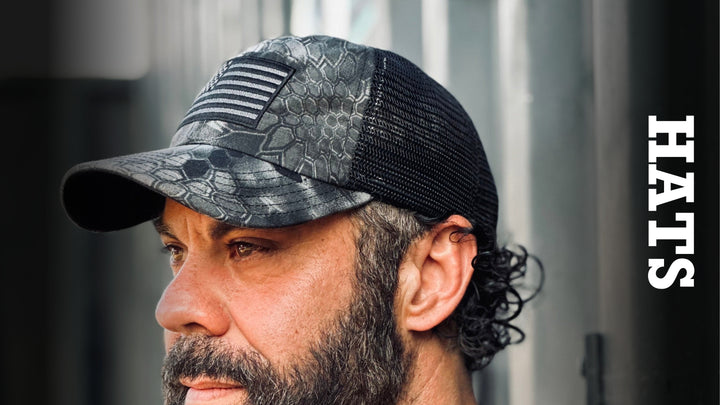
Hats are a smart call outdoors. They help with glare, keep sun off your face, and can stop brass from dropping between your eye pro and forehead. Just keep the brim practical. Eye protection and hearing protection also need to fit with what you are wearing. Big over-ear muffs and high-collared jackets do not always play nice.
Weather changes the mission
Hot weather range day outfits should focus on breathability, moisture management, and sun protection. That usually means lighter fabrics, shorter sleeves only if the environment allows, and shorts or lightweight pants depending on your tolerance for heat versus exposure. Hydration matters, and clothing that helps regulate heat is not weakness. It is common sense.
Cold weather is different. You need warmth without losing mobility or access. Thick coats look good in the parking lot and become a problem once you start drawing, moving, and layering hearing protection. Better to stack lighter pieces that let you adjust as your body temperature changes.
Rain and mud make durability matter even more. Water-resistant outer layers help, but they should not turn you into a sweat box. Footwear becomes the main event in bad weather. If your feet are soaked and sliding, the rest of the outfit barely matters.
Looking sharp without looking like a costume
There is nothing wrong with wanting to look squared away. A range outfit should project discipline, not confusion. Clean lines, solid construction, muted colors, and gear that matches the job all go a long way.
What you want to avoid is costume energy. Too many random pouches, oversized logos, unnecessary accessories, or gear with no purpose reads like you are trying too hard. Real confidence at the range looks simple. It looks prepared. It looks like you have trained before.
That is where a brand like Rogue American fits naturally - gear and apparel should say something about who you are, but they still have to perform when the work starts. Statement is fine. Function comes first.
A practical formula for better range day outfits
If you want a simple setup that works in most conditions, start with a fitted performance tee or sturdy blend shirt, durable pants or structured shorts, a real belt, and supportive footwear. Add a hat and weather layer as needed. That baseline handles most casual range trips and a lot of formal training days.
From there, adjust based on environment. If you know you will be kneeling on rough ground, favor pants. If the heat is brutal and the range rules allow it, shorts may be the better call. If you are running from concealment, wear what you actually carry in and test it honestly. There is no prize for pretending your setup works.
The best outfit is the one that disappears once the drill starts. No tugging at your waistband. No shifting holster. No slipping shoes. No fabric getting hung up at the worst time. Just gear that works, clothes that move, and one less thing to think about when it is time to perform.
Build your range kit the same way you build skill - with intention, not hype. Wear what holds up, cut what does not, and let your outfit serve the mission instead of distracting from it.