



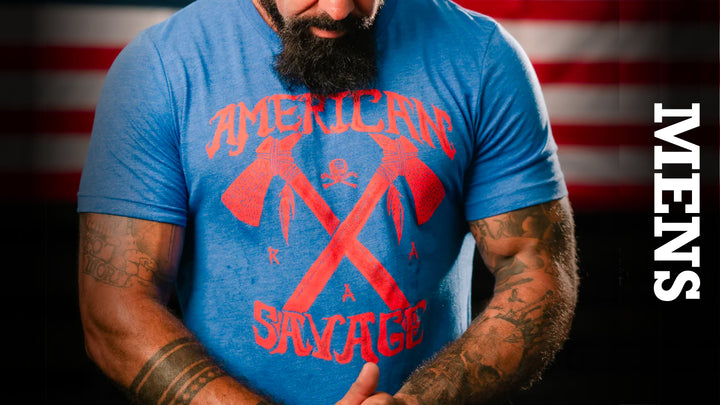
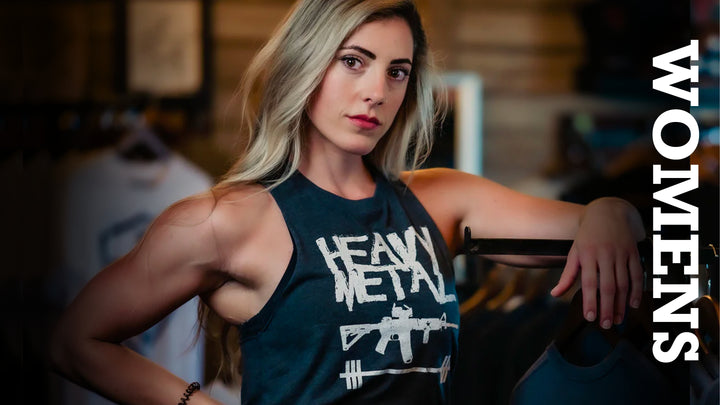
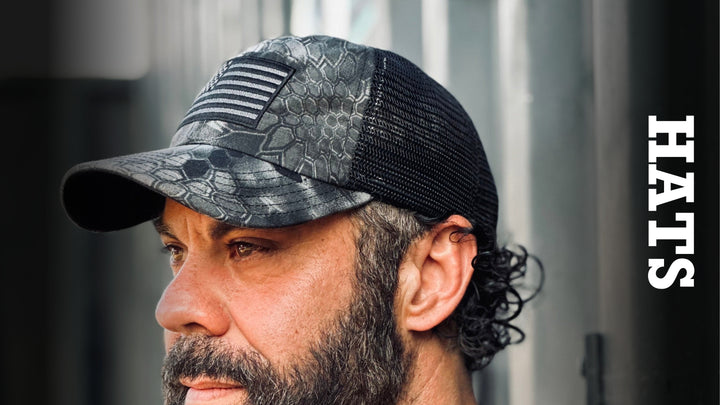
Veteran Lifestyle Clothing That Means Something
Most brands sell fabric. Veteran lifestyle clothing should carry more weight than that.
For a lot of men and women who served - and plenty who never wore the uniform but still live by the same code - what you wear is not about chasing trends. It is about identity. It is about standards. It is about putting on something that reflects discipline, patriotism, and a refusal to blend into a culture that keeps getting softer.
That is the line that separates real veteran-inspired apparel from cheap flag prints and hollow slogans. One is built from experience. The other is costume.
What veteran lifestyle clothing actually stands for
At its best, veteran lifestyle clothing is not trying to imitate military issue gear or pretend every customer is kicking doors for a living. That is not the point. The point is to wear pieces that reflect a mindset shaped by service, sacrifice, readiness, and loyalty.
That mindset shows up in a few ways. First, there is clarity. Graphics are direct. Messages are intentional. Nothing feels apologetic. Second, there is durability. If a shirt looks good online but falls apart after a few washes, it missed the mark. Third, there is alignment. The brand behind the product should know the culture, not just borrow the aesthetic.
People can tell the difference. A design rooted in real military and veteran culture hits differently than something built in a boardroom by marketers looking for a seasonal trend. One feels earned. The other feels manufactured.
Why this category keeps growing
The rise of veteran lifestyle clothing is not hard to understand. Americans are tired of watered-down branding and mass-produced sameness. They want gear with conviction. They want products that say something clear about who they are and what they believe.
For veterans, that can mean staying connected to a brotherhood or sisterhood that does not disappear after separation from service. For active-duty military and first responders, it can mean wearing something off the clock that still reflects the code they live by on the job. For civilians, it can mean aligning with values like resilience, self-reliance, accountability, and country.
Still, there is a trade-off here. As the category gets more popular, more companies try to cash in on it. That means buyers need a sharper eye. Not every shirt with a skull, a rifle, or a distressed flag belongs in the same conversation.
Authenticity matters more than graphics
A loud design can grab attention. Authenticity is what earns respect.
That starts with who is behind the brand. Veteran-owned companies carry a level of credibility that cannot be faked because the worldview is already there. The language is different. The posture is different. The product choices tend to be different too. There is less pretending and more purpose.
But ownership alone is not enough. The product still has to be good. If the fit is off, the material is weak, or the print cracks after a month, the message falls apart with it. A premium piece of veteran lifestyle clothing should feel solid the second you pick it up. It should fit like something built for movement, not made for mannequins.
That matters because this is everyday wear. These are the shirts you throw on for range days, gym sessions, airport runs, coffee stops, garage projects, barbecues, and weekends with your people. They have to work in real life.
The difference between costume and culture
There is always a line between wearing the culture and playing dress-up.
The brands that get it right understand that military-inspired style is not about piling on tactical details for no reason. You do not need every item to look like it came out of a deployment bag. In fact, trying too hard usually weakens the look. The strongest pieces are often the cleanest ones - well-cut shirts, hard-hitting graphics, solid outerwear, reliable denim, broken-in hats, and accessories that feel rugged without becoming gimmicks.
That balance matters. A shirt can communicate grit without screaming. A pair of jeans can feel mission-ready without looking like a costume. A duffle bag can nod to military function while still making sense for daily use.
When veteran lifestyle clothing is done right, it fits into your life without needing explanation. It looks natural on the range, at the gym, in the truck, or out with friends. It holds its ground anywhere because it comes from a real place.
How to judge quality before you buy
A lot of apparel talks tough. Not all of it is built tough.
Start with the fabric. Soft is good, but soft alone means nothing. The material should have weight without feeling stiff. It should hold shape after repeated wear and washing. Cheap blanks reveal themselves fast - stretched collars, twisted seams, fading prints, and that thin feel that makes a shirt disposable.
Then look at fit. Veteran lifestyle apparel usually works best when it is athletic without being restrictive. Most customers in this space do not want boxy cuts that hang like a tarp, and they do not want fashion-brand fits that feel sprayed on either. The right middle ground is clean through the shoulders and chest with enough room to move.
Graphics matter too. Strong artwork is not just about looking aggressive. It should be legible, intentional, and connected to something bigger than shock value. If a design feels random, it probably is.
Finally, consider the rest of the catalog. A serious brand rarely stops at one decent T-shirt. If it understands its customer, you will usually see that consistency across headwear, outerwear, bags, and everyday gear. The whole lineup should feel like it came from the same mission set.
Veteran lifestyle clothing is bigger than shirts
The smartest brands in this space do not just sell apparel. They build a lifestyle around shared conviction.
That means the uniform extends past the closet. Hats, bags, posters, stickers, grooming products, and even coffee can all play a role in reinforcing identity. Some people will call that branding. Fine. But for the right audience, it is more than that. It is about surrounding yourself with products that match the code you live by.
That does not mean buying everything with a logo slapped on it. It means choosing gear that feels consistent with your standards. If a brand understands its people, every category should carry the same attitude - direct, capable, unapologetic.
Rogue American Apparel built its name in exactly that lane. Not by chasing mass appeal, but by backing a tribe that would rather stand firm than fit in.
Who this style is really for
Veteran lifestyle clothing is obviously a natural fit for veterans, active-duty military, and first responders. That part is easy.
But the audience is broader than the label suggests. Plenty of customers are civilians who respect service and live with a similar edge. They train hard. They work with their hands. They carry themselves with purpose. They are not looking for polished fashion language or trend reports. They want gear that reflects discipline and backbone.
There is a limit, though. If someone is buying this style only because it looks edgy on social media, the connection will feel shallow. Identity-driven apparel works best when the values are real. Otherwise the clothing starts wearing the person instead of the other way around.
Wearing your values without saying a word
That may be the biggest reason this category keeps earning loyalty. Good veteran lifestyle clothing communicates without a speech.
It tells people you believe in strength, country, and personal responsibility. It tells them you respect sacrifice. It tells them you are not interested in the latest fashion cycle or whatever message corporate America is pushing this week. That kind of signaling is not for everyone, and that is exactly why it works.
The strongest brands understand that not every customer wants the same intensity level. Some want bold, front-and-center graphics. Others want quieter pieces with subtle cues. Both have a place. The point is choice without compromise.
Buy the gear that feels true to your life. Not performative. Not watered down. Not built for approval from people who do not share your standards.
Because when clothing reflects who you are, it stops being decoration. It becomes part of the flag you carry every day.