



What to Wear for Range Day That Works
The wrong shirt will find your skin the first time hot brass drops down your collar. That is the fastest lesson in what to wear for range day - your kit needs to protect you, move with you, and stay out of the way when it counts. Looking good matters, but function comes first.
Range day clothing is not about playing dress-up. It is about staying safe, staying comfortable, and keeping your attention on the firearm instead of your gear. Whether you are training on an indoor lane, running drills outside in July, or spending all day working pistol and rifle transitions, your clothes need to handle heat, movement, noise, weather, and spent casings without becoming a problem.
What to wear for range day starts with function
The best range outfit is simple. Wear clothes that cover what needs covering, hold up under movement, and do not create unnecessary risk. That usually means a well-fitted shirt, durable pants or shorts depending on the range and conditions, sturdy shoes, eye protection, ear protection, and a hat.
Fit matters more than people think. Baggy clothing can snag. Ultra-tight clothing can restrict movement when you are drawing, kneeling, or getting into position. You want enough room to move freely, but not so much extra fabric that it catches on your holster, magazine pouches, sling, or rifle.
You also want fabrics that can handle sweat and abrasion. Cotton has its place, especially for casual range days, but heavy cotton can hold moisture when it is hot. Lightweight performance blends can help if you are training hard, though some ultra-thin athletic shirts are a bad call if they leave your skin exposed to hot brass or sun all day. It depends on the day, the weather, and how hard you are running.
The shirt: coverage beats style points
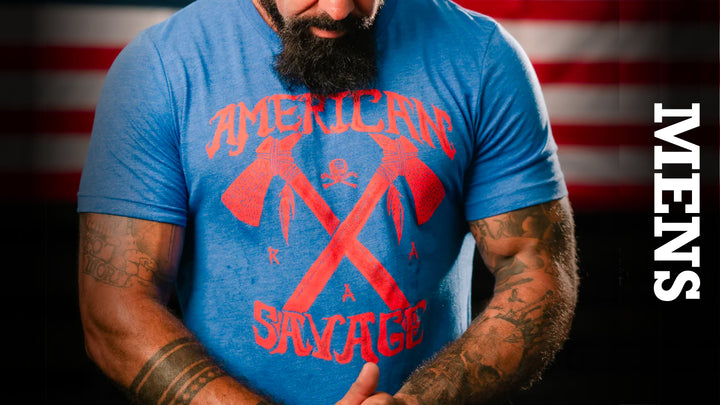
Start with a shirt that covers your torso well and stays put while moving. A crew neck or a snug collar is usually smarter than a wide-neck shirt, because brass has a talent for finding openings. Long sleeves can be a smart move outdoors for sun and debris, but short sleeves are fine if conditions are mild and you are not crawling through rough terrain.
The sweet spot is usually a durable tee or lightweight long-sleeve shirt that fits clean through the chest and shoulders without hanging like a tent. If you are carrying rifle slings or spending the day under direct sun, a slightly heavier shirt can be worth it. If you are indoors, breathability matters more.
Avoid anything loose, low-cut, or overly thin. Tank tops are a bad idea. So are shirts you constantly have to tug back into place. If your clothing pulls your focus off the firing line, it is the wrong clothing.
Pants or shorts? It depends on the range
For most people, pants are the safer call. They protect against brass, rough surfaces, bugs, brush, and the occasional kneeling drill on hot gravel. Durable jeans, work pants, or purpose-built tactical pants all get the job done if they fit right and do not restrict movement.
That said, shorts are not automatically wrong. On a brutally hot day at a static outdoor range, decent shorts can be fine, especially if the range allows them and you are not doing movement-heavy drills. The trade-off is obvious - less heat, less protection. If you are training seriously, moving hard, or working around barricades and uneven ground, pants still win.
Pocket layout matters too. You do not need to look like you are stepping into a deployment photo, but useful pockets help. A place for a spare mag, shot timer, note card, or gloves can make the day smoother. Just do not overload yourself with junk you do not need.
Footwear: no flip-flops, no excuses
If there is one piece of advice that should not need repeating, it is this: wear closed-toe shoes. Boots or sturdy athletic shoes are the baseline. You need traction, support, and protection from dropped mags, hot casings, sharp gravel, and uneven terrain.
Boots make more sense for outdoor ranges, classes, and any setting where you may be on dirt, mud, or broken ground. Athletic shoes can work fine on a flat indoor lane or a well-kept outdoor bay, but they should still be stable and in good shape. This is not the place for worn-out running shoes with slick soles.
Minimalist shoes are a judgment call. Some shooters like them for mobility and ground feel. Others want more support for long days standing on concrete or moving with gear. If your feet are smoked by hour two, your shooting usually follows.
What to wear for range day on your head and face
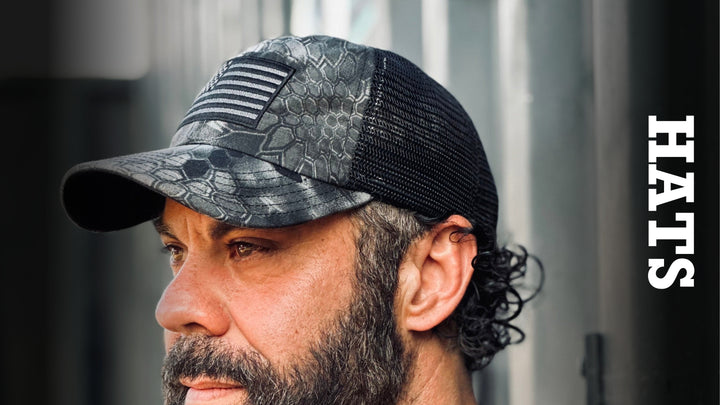
A hat does more than finish the look. A good ball cap helps keep brass off your face, shades your eyes outdoors, and gives you one less distraction while shooting. It is simple, practical, and worth having.
Eye and ear protection are non-negotiable. Clear or tinted eye pro depends on the light, but you need coverage that fits securely and does not fog up every ten minutes. For hearing protection, some shooters like foam plugs under electronic muffs when the range is loud or the line is crowded. That extra layer can save you a pounding headache after a long session.
If you wear a hat with over-ear muffs, test the setup before you get to the line. Some hat buttons and stiff brims can mess with the seal on your ear protection. Small issue, big annoyance.
Weather changes the uniform
A summer range day in Texas is not the same as a winter morning in Montana. Dress for conditions, but keep safety and movement at the center of every choice.
In the heat, lightweight breathable layers matter. You want sun protection without cooking yourself alive. A moisture-wicking shirt, durable shorts or lightweight pants, a hat, and hydration discipline go a long way. If you are training all day, bring an extra shirt. Shooting in a sweat-soaked top for hours gets old fast.
In cold weather, avoid getting bulky. Heavy jackets can interfere with your draw stroke, shoulder rifle mounting, and overall mobility. Better to build with light layers - a base layer, a solid overshirt or hoodie, and an outer shell if needed. Test your draw and reloads while wearing the full setup. Winter clothing changes everything.
Rain adds another factor. Slick jackets, soaked waistbands, and muddy footwear can turn simple manipulations into a mess. Water-resistant layers help, but they still need to let you move. If your jacket bunches around your belt line, it may be fine for daily wear and terrible for live fire.
Don’t forget your belt and support gear
A weak belt turns into a problem the moment you hang a holster or mag carrier on it. If you are running a pistol from the waist, wear a sturdy belt that can actually support the load. Flimsy department-store belts sag, shift, and make every draw less consistent.
The same goes for gloves, if you use them. They are useful for rifle work, hot suppressors, rough barricades, and cold weather. But not everyone shoots better in gloves. If they kill your trigger feel or make reloads clumsy, skip them unless the training day demands them.
This is where discipline matters. Bring gear that serves a purpose. Leave the costume mindset at home. A clean, capable setup beats a cluttered one every time.
Common mistakes that make range day worse
Most bad range clothing choices come from either vanity or laziness. People dress for photos, not performance. Or they throw on whatever is closest and hope for the best.
Low-cut tops, open shoes, slick belts, giant hood strings, oversized hoodies, and cheap eye pro all create avoidable problems. So do pants that sag when loaded up and shirts that ride up every time you present the pistol. None of it helps you shoot better.
Another common mistake is dressing for comfort without thinking about context. Soft gym clothes feel great until you are kneeling on gravel, getting smoked by sun, or fishing brass out of places it should never have reached. Comfort matters, but real comfort at the range comes from gear that can take abuse.
A smart range-day setup looks boring on purpose
The best-dressed shooter on the range is usually the one who gave safety and performance more attention than style. That does not mean you need to look sloppy. It means every piece of your setup should earn its place.
A solid shirt. Durable bottoms. Real shoes. Eye and ear pro. A hat. A belt that does its job. That is the formula. If you want gear that carries that same no-apology, mission-first attitude, brands like Rogue American are built for people who live that mindset on and off the firing line.
Range day is supposed to sharpen you, not distract you. Dress like you came to train, and every rep gets cleaner from there.