



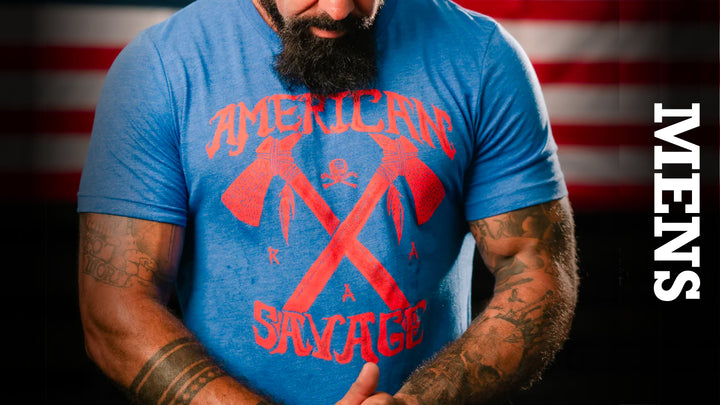
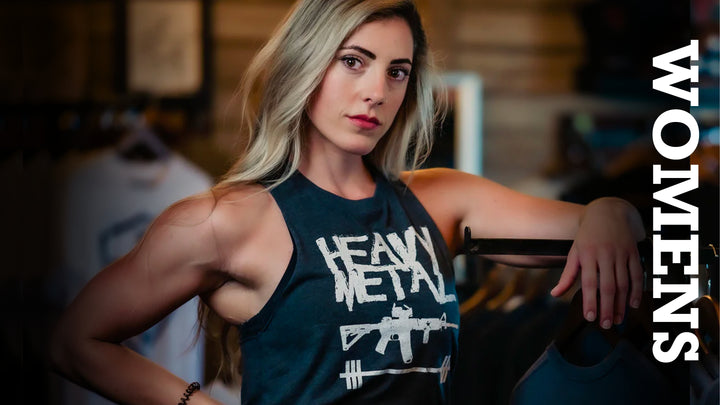
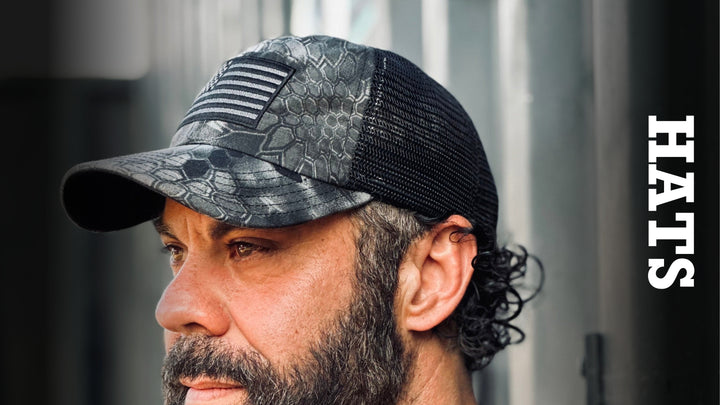
Why Stand for Something Clothing Matters
Most clothing asks you to blend in. Stand for something clothing does the opposite. It tells people who you are before you say a word, and for a lot of Americans, that matters more than whatever fashion cycle is getting pushed this week.
There is a difference between wearing a shirt and wearing a signal. One covers your back. The other says you believe in loyalty, grit, sacrifice, and the kind of freedom that was bought, not gifted. That is why this category keeps growing with veterans, first responders, lifters, outdoorsmen, and everyday people who are done with weak messaging and disposable style.
What stand for something clothing really means
At its core, stand for something clothing is identity-first apparel. It is built for people who do not separate what they wear from what they value. The design matters, the fit matters, and the quality matters, but none of that lands if the message is hollow.
This kind of clothing usually carries a clear point of view. Patriotism. Service. Personal responsibility. Readiness. Strength under pressure. It is not trying to appeal to everyone, and that is exactly the point. If a brand wants universal approval, it usually says nothing. If it stands for something, it will naturally attract the right people and turn off the wrong ones.
That trade-off is part of the appeal. Real conviction has edges.
For the customer, the value goes deeper than graphics or slogans. The right piece becomes part of a uniform for daily life. Not a uniform issued by somebody else, but one chosen on purpose. You throw it on for range days, training sessions, coffee runs, airport travel, garage work, and weekends with your people because it feels like your lane. It fits the mission.
Why people are done with empty fashion
A lot of mainstream apparel has become soft, vague, and forgettable. It follows trends, chases approval, and tries so hard not to offend anyone that it ends up saying nothing at all. That may work for mass retail, but it does not connect with people who have lived hard things, built discipline, or still believe in country and code.
That is where stand for something clothing hits. It gives customers a way to reject the bland middle. It offers a stronger choice. Wear gear that reflects your values, or wear gear that was designed to disappear into a rack beside a thousand other pieces nobody will remember.
There is also a practical reason this matters. People are tired of buying cheap shirts with loud prints and weak construction. If apparel is going to carry a message, it has to hold up. Nobody respects a tough slogan on flimsy fabric. Quality is not separate from conviction. It proves the brand means what it says.
The line between statement and costume
Not every bold shirt gets it right. Some brands confuse shock value with substance. Others lean so hard into aggressive graphics that the gear starts looking like a costume instead of something you can actually wear in real life.
That is where judgment matters.
Good stand for something clothing balances message and wearability. It should feel strong without being cartoonish. It should work in the gym, at the barbecue, on the road, or while grabbing coffee without looking like you are trying too hard. The best pieces have enough edge to make a point and enough discipline to stay sharp.
This is also where fit, material, and design choices separate serious brands from noise. Clean lines beat clutter. Strong artwork beats random chaos. Premium construction beats throwaway hype. If the brand has roots in real service, real hardship, or real culture, you can usually feel it. If it is manufactured rebellion, you can feel that too.
Who this clothing is really for
This space speaks loudest to people who live by standards. Veterans and active-duty military obviously connect with it because service leaves a permanent mark. First responders get it too. So do men and women who train hard, carry responsibility, and do not need their style filtered through fashion editors in major cities.
But you do not need a service record to wear conviction. Plenty of civilians are looking for clothing that reflects personal discipline, faith, patriotism, or a refusal to bow to whatever trend gets pushed next. They want gear that feels American in the old sense of the word - earned, direct, and grounded.
That shared mindset matters more than any demographic box. It is less about age and more about posture. Some people want clothes that ask for attention. Others want clothes that show alignment. That second group is where stand for something clothing lives.
What to look for in stand for something clothing
The first test is simple: does the message feel real? If a brand is loud about values but weak on execution, the product will expose it fast. Authenticity is not a buzzword here. It means the people behind the brand have lived enough to speak with some authority.
The second test is build quality. Look at the fabric weight, stitching, print durability, and fit. A shirt can carry a strong message and still fail if it shrinks badly, twists after washing, or feels cheap by month two. If the clothing is supposed to represent toughness, it needs to survive real wear.
The third test is design discipline. Strong apparel does not need to scream from every inch of fabric. Sometimes one clean statement across the chest lands harder than a pile of symbols trying to do too much. The goal is not visual noise. The goal is clear intent.
It also helps to look at the larger brand ecosystem. When a company builds around a code instead of a single graphic, it shows. The apparel, the accessories, the language, the community support - it all lines up. That kind of consistency is hard to fake.
Why stand for something clothing works beyond fashion
This category is not only about style. It is about tribe.
People want to recognize their own. They want to walk into a gym, a gun store, a coffee shop, or an airport and spot someone wearing a shirt that tells them, without a speech, that they probably share a few core beliefs. That kind of recognition still matters in a country where too many institutions feel detached from the people who keep things running.
Clothing can do that job because it is immediate. You do not need a long conversation. You do not need a profile bio. You show up in gear that means something, and the message is already out there.
That does not mean every piece has to be loud or political. Sometimes the signal is simple. A phrase, an icon, a cut, a standard. The point is that it reflects an internal code. The best brands understand that subtle can still be forceful.
The risk of standing for something
Let us be honest. Wearing conviction is not neutral. If your gear communicates patriotism, strength, or independence, some people will respect it and some will not. That comes with the territory.
But that friction is not always a downside. It can be a filter. Good brands do not try to remove every edge just to broaden appeal. They know that once you sand off every principle, you are left with generic merchandise and no spine.
There is a balance, though. The goal is not to pick fights for sport. The goal is to represent what you believe with enough confidence that you do not need to overexplain it. Strong clothing does not beg for approval. It holds the line.
That mindset is a big reason veteran-founded brands like Rogue American have traction. They are not borrowing the language of grit from a marketing playbook. They are building apparel around a lived code, and customers can tell the difference.
Wear the standard
Stand for something clothing matters because people still matter, and what they believe still matters. In a market flooded with throwaway design and weak messaging, gear with a real point of view cuts through fast.
The right shirt, hat, or jacket will not make a man tougher than he is. But it can reflect the standard he already lives by. It can remind him what he stands for when the culture around him keeps asking him to soften it, hide it, or trade it in for something easier.
Wear what speaks plain. Wear what holds up. Wear what matches your code when nobody is clapping. That is where real style starts.