



Casual Clothes for Veterans That Stand for Something
The uniform comes off. The standards do not. The right casual clothes for veterans should hold up through a range day, a hard training session, a long shift, a backyard cookout, or a flight across the country. They should fit like they were made for a body that has done real work, not designed for a mannequin under department-store lighting.
Your off-duty wardrobe does not have to look tactical from head to toe. It does need to feel deliberate. Good casual gear carries the same qualities that matter everywhere else: durability, comfort, discipline, and a clear sense of who you are.
Casual Clothes for Veterans Start With Purpose
Most veterans do not need a costume. They need clothes that can take a beating, look sharp without being fragile, and say something without screaming for attention. There is a difference between wearing military-inspired apparel because it is trendy and wearing it because the values behind it are part of your life.
Start with what your actual week demands. If you train before work, spend weekends outdoors, ride a motorcycle, work with your hands, or travel often, thin fashion basics will not cut it. Look for pieces that move, breathe, and survive repeat wear. A shirt that twists after one wash or jeans that bind when you squat are not built for the mission.
That does not mean every item needs cargo pockets and hook-and-loop panels. In many situations, a clean fitted tee, solid jeans, and a dependable hat are more useful than a closet full of overbuilt gear. The goal is capability without clutter.
Build the Core Uniform
A strong casual wardrobe is not complicated. It is a rotation of dependable staples that work together, so getting dressed does not become another decision to manage before coffee.
Start with heavyweight tees
A quality T-shirt earns its place fast. It should have enough weight to keep its shape, a collar that does not bacon after a few washes, and a cut that works across the shoulders and chest without hanging like a tent around the waist.
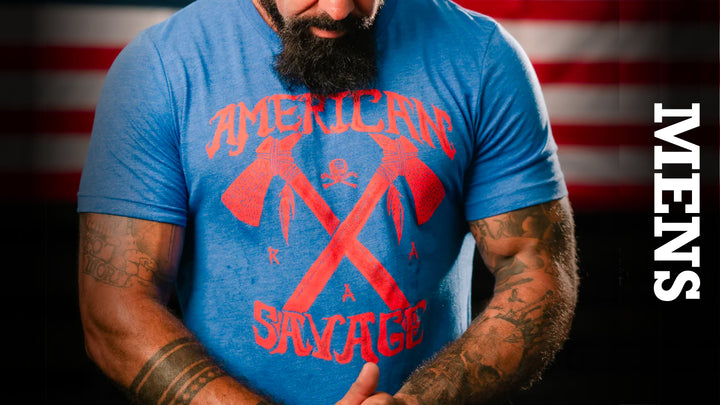
Black, charcoal, olive, navy, and military green make sense because they hide hard use and pair with almost anything. A bold graphic can carry a message, whether it honors service, American strength, or the warrior mindset. Keep a mix of statement shirts and clean basics. Not every setting calls for the same signal.
Fit matters more than chasing a number on the tag. If the sleeves pinch your arms or the torso rides up when you reach overhead, size up or change the cut. If the shirt hangs loose enough to snag on everything, size down. The right tee should be ready for training, errands, and a night out without requiring a wardrobe change.
Choose pants that can work
Denim remains hard to beat. A well-built pair of jeans handles daily wear, works with boots or sneakers, and gets better when the fit is right. A straight or athletic cut usually gives room through the seat and thighs without looking baggy. That matters for veterans who have spent years building legs, not skipping them.
For hotter days, durable shorts with a clean profile are the answer. Look for enough stretch to move freely and pockets that actually hold a phone, wallet, and keys. Extremely long board shorts and ultra-short gym cuts both have their place, but neither works as an everyday default for most men.
Chinos and work pants are worth adding when jeans feel too heavy or the setting calls for something more put together. Stick with earth tones, black, gray, or tan. These colors are not flashy, but they are useful. They match nearly every shirt in the rotation and do not show every stain from a day lived outside.
Use layers with a job to do
Layers should solve a problem: cold, wind, rain, sun, or the need to look more polished. A solid hoodie, flannel, light jacket, or overshirt gives you options without turning your closet into a gear locker.
A hoodie needs a substantial feel, not paper-thin fleece that loses shape by the end of the season. Flannels work when the material is sturdy and the pattern is restrained. A tough jacket in black, olive, brown, or camouflage can pull the whole outfit together, especially when the rest of the look stays simple.
The trade-off is obvious. Too many patches, flags, camo prints, and loud graphics competing in one outfit can look forced. Pick one focal point. Let the rest of the kit support it. Conviction does not require visual noise.
Wear Your Values Without Wearing a Disguise
Veteran apparel is personal. For some people, a shirt honoring a unit, a flag, or a fallen brother is non-negotiable. For others, service is not something they want to explain to strangers at the grocery store. Both approaches are legitimate.
The strongest casual clothes for veterans leave room for that choice. Wear a clear statement piece when you want to represent. Go with a clean tee and durable jeans when you want the quality without the conversation. Your service is real either way. You do not owe anyone a performance.
That said, do not let mainstream fashion convince you that pride is somehow unsophisticated. Respect for the flag, loyalty to your people, and belief in the country are not seasonal trends. When those values are part of your life, they belong in the things you choose to wear.
Rogue American Apparel was built around that idea: apparel is more than fabric when it represents what you stand for. The best pieces are not loud because they are trying to get attention. They are direct because they carry meaning.
Match the Outfit to the Terrain
A dependable weekend look can be as simple as a fitted graphic tee, dark jeans, boots, and a hat. It works for coffee runs, time at the shop, a barbecue, and most casual meetups. If the weather turns, add a hoodie or flannel instead of rebuilding the entire outfit.
For training, prioritize performance over appearance. A shirt that breathes, shorts that stay put, and footwear matched to the work matter more than looking like an operator in a staged photo. Training is where gear proves itself. If it distracts you, rubs wrong, or limits movement, it has failed the test.
For travel, choose layers and pants with enough give to sit comfortably for hours. A clean hoodie, quality tee, stretch denim or durable pants, and broken-in shoes make airports easier without looking like you gave up. Keep the colors simple so every layer works together when the temperature changes.
For a casual night out, clean up the same foundation. Swap the graphic tee for a solid shirt or a more restrained design, wear dark denim, and make sure your boots or sneakers are actually clean. You do not need to dress like somebody else. You just need to show that you can read the room.
What to Avoid When Buying Casual Gear
Cheap fabric is expensive when you have to replace it constantly. Watch for shirts with weak collars, thin material, crooked seams, and graphics that feel stiff or peel at the edges. A lower price can make sense for a beater shirt, but it is a bad deal when the item is finished after three laundry cycles.
Avoid buying solely for the logo, too. A brand can have the right message and still make a piece that does not fit your life. Check the cut, material weight, care requirements, and how it works with what you already own. Good apparel earns repeat wear.
Also resist the urge to buy every piece in camouflage. Camo has a place, especially outdoors, at the range, or when it is part of your personal style. But a closet built only on one pattern limits your options. Solid colors make your statement pieces hit harder.
Make the Wardrobe Yours
The point of casual apparel is not to recreate the issued uniform. It is to carry forward what mattered about it: readiness, pride, brotherhood, and the refusal to cut corners. Build around clothes that feel good after twelve hours, survive real use, and represent the man or woman wearing them.
Start with one shirt that means something, one pair of pants that can take punishment, and one layer you will grab without thinking. Wear them hard. If they keep up, they have earned their place. That is how a real off-duty uniform gets built.