



Graphic Tees vs Plain Tees for Your Mission
A shirt is never just a shirt when you wear it with intent. The choice between graphic tees vs plain tees comes down to what you want your gear to say before you ever open your mouth. One puts your convictions, humor, heritage, or hard-earned edge front and center. The other gives you a clean, dependable foundation that works anywhere.
Neither is the automatic winner. The right call depends on the mission, the setting, and whether you want to make a statement or keep your loadout simple. A strong wardrobe has room for both.
Graphic Tees vs Plain Tees: Start With Purpose
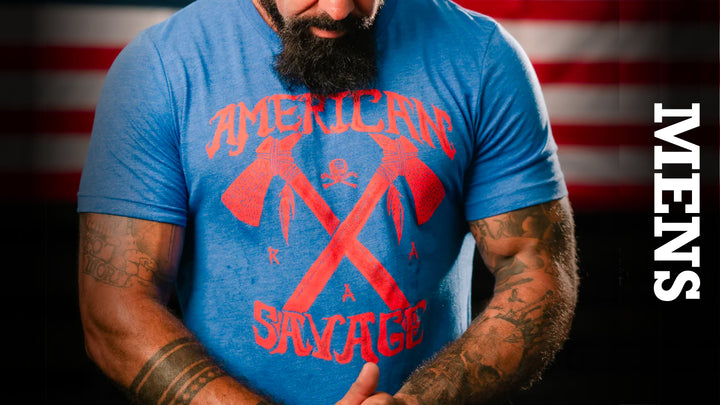
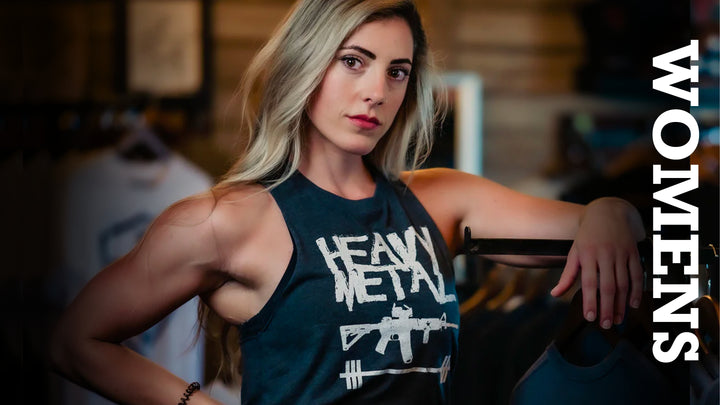
Graphic tees are built for expression. They carry a message, a symbol, a piece of culture, or a reminder of the code you live by. For veterans, first responders, lifters, patriots, and people who refuse to blend into the background, that message matters. It can signal respect for service, belief in freedom, pride in country, or the fact that you do not need approval from the crowd.
A good graphic tee does not need to scream. It needs to land. A sharp design, a meaningful phrase, or an unmistakable image can do more than a loud color palette ever could. The best ones feel earned, not borrowed from whatever trend is burning out this month.
Plain tees serve a different purpose. They are the quiet workhorses - clean, adaptable, and ready to be worn on repeat. A solid black, military green, charcoal, navy, or sand-colored shirt can move from the gym to the truck to a backyard fire without demanding attention. When the rest of your kit carries the personality, a plain tee keeps the overall look disciplined.
The mistake is treating plain as boring or graphic as immature. Both can look squared away. Both can look weak if the fit is wrong, the fabric is flimsy, or the design feels disconnected from the person wearing it.
When a Graphic Tee Makes the Stronger Call
Wear a graphic tee when you want your clothing to carry weight. That does not mean every shirt has to be a billboard. It means the design should reflect something real: your values, your sense of humor, your background, or the community you stand with.
Graphic tees work especially well in casual settings where personality belongs in the room. Think range days, training sessions, concerts, cookouts, weekend runs, veteran events, bike nights, and off-duty travel. They are also a natural choice when you are wearing simple bottoms. A strong graphic can turn jeans, boots, and a cap into a complete uniform without overthinking it.
The trade-off is that a graphic tee has less margin for error. If the artwork is oversized, the colors clash, or the message feels forced, the shirt wears you instead of the other way around. Keep the rest of the outfit controlled. Pair a bold design with solid shorts, jeans, or pants, and let one element take point.
Placement matters, too. Chest prints and back graphics have different energy. A small front mark with a larger back design feels tactical and deliberate. A full front graphic is more direct. Neither is better across the board, but the design should match the shirt's purpose.
There is also a practical point: print quality counts. Cheap graphics crack, peel, and fade into a mess after a few washes. A premium tee should feel good before it is broken in, while the print stays sharp enough to hold its ground. Rogue American Apparel is built around that principle: gear with a point of view should still be gear you want to wear often.
Make the Message Believable
The strongest graphic tees do not need an explanation. They speak to people who get it and give everyone else a clear read. That is why authenticity beats generic aggression every time. Wear the shirt that reflects your actual life, not a costume version of it.
If you are a veteran, a first responder, a committed gym regular, or simply someone who believes America is worth standing up for, choose designs that feel connected to your standards. Conviction has a different look than posturing.
When Plain Tees Win the Day
Plain tees are the answer when function, flexibility, and a clean profile matter more than a message. They are ideal for daily work, travel, layering, training, and those days when you want to be prepared for whatever comes next without building an outfit around one shirt.
A fitted plain tee can look just as intentional as a graphic shirt, sometimes more so. The key is structure. Look for a collar that does not bacon after a few washes, sleeves that sit cleanly around the upper arm, and a body length that stays put when you bend, reach, or carry gear. Baggy and shapeless is not tactical. It is just sloppy.
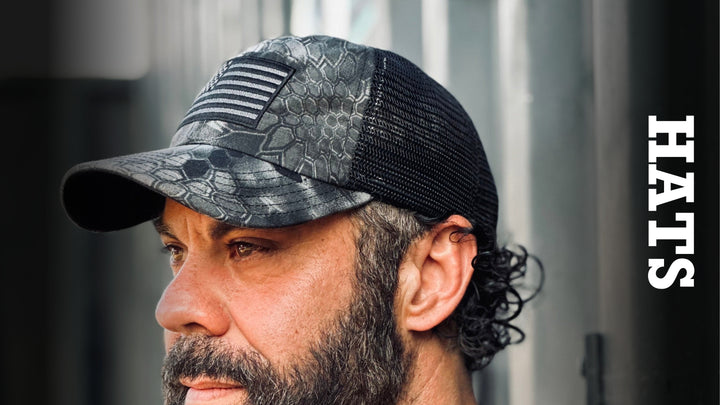
Plain tees also earn their place under flannels, overshirts, jackets, hoodies, plate carriers, and work layers. They give you contrast without fighting the outer layer. If your jacket has patches, your hat carries a logo, or your boots do the talking, a plain tee keeps the signal clear.
Color is where plain tees stop being plain. Black is hard to beat for grit and versatility, but it can run hot in summer and show lint. Charcoal offers a similar edge with a little more texture. Olive and military green fit naturally into a tactical wardrobe. Navy is dependable and less severe, while sand and heather gray work well when you want a lighter look without looking polished for polish's sake.
Build a Uniform, Not a Closet Full of Filler
A few well-made plain tees can carry a large part of your weekly rotation. That does not mean buying a stack of thin, disposable basics. It means choosing shirts that survive hard wear and maintain their shape.
Fit is personal. Athletic builds may prefer a more tapered cut through the chest and arms, while broader frames often need room through the shoulders and midsection without extra fabric hanging like a tent. Test a shirt in motion. Raise your arms, sit down, reach forward, and see whether the collar, hem, and sleeves stay where they belong.
The Fabric Test: Comfort Is Part of Readiness
Whether you choose graphics or solids, fabric settles the argument faster than style debates do. A shirt can have the best artwork in the world and still end up buried in a drawer if it feels rough, twists after washing, or turns into a sweat trap by noon.
Cotton remains a favorite because it is breathable, familiar, and comfortable against the skin. Ringspun cotton usually feels softer than standard open-end cotton, and heavier-weight fabric often hangs better and lasts longer. The catch is that heavyweight cotton can be too warm for brutal summer heat, especially during range time or outdoor training.
Blends can make sense when you want more stretch, quicker drying, or a lighter feel. They are useful for training and hot-weather wear, but the blend should not feel slick or cheap. There is no universal best fabric. A dependable everyday tee, a hard-training tee, and a statement shirt for weekends may call for different builds.
Care matters as much as fabric. Wash inside out, use cold water when possible, and avoid cooking your shirts in high heat. That protects both the print on graphic tees and the fit of plain tees. Treat quality gear like quality gear.
How to Keep Both in Rotation
The practical answer to graphic tees vs plain tees is not choosing a side forever. Build around your real schedule. If you train several times a week, work in casual environments, spend weekends outdoors, and value clothing with a message, you need both options within reach.
Use plain tees as your baseline. They handle the ordinary work: layering, travel, training, errands, and everyday wear. Then bring in graphic tees when you want the outfit to carry more identity. A shirt with a message is more effective when it is not the only thing you own.
Think in terms of balance. If you wear a bold graphic, keep your pants and outerwear straightforward. If you wear a plain tee, use fit, texture, boots, a watch, or a jacket to maintain presence. Style is not about piling on symbols. It is about looking like you chose every piece on purpose.
Your wardrobe does not need more noise. It needs more intention. Keep plain tees ready for the days you need a reliable uniform, and wear graphic tees when you are ready to put your principles where people can see them.