



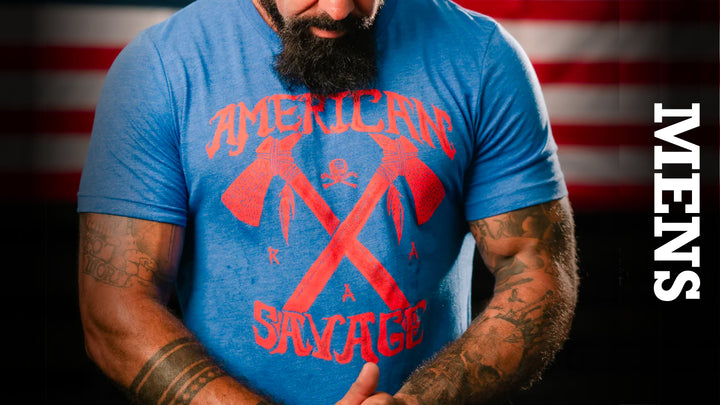


How to Wash Graphic Tees the Right Way
A cracked print, a faded logo, and a shirt that fits like it belongs to someone else - that’s what happens when you treat graphic tees like throwaway gym rags. If you’re wondering how to wash graphic tees without destroying the design, the answer is simple: wash with intent. A solid tee carries your message, your standards, and your identity. Take care of it like it matters.
How to Wash Graphic Tees Without Wrecking Them
Graphic tees fail in three places: heat, friction, and bad habits. Most damage doesn’t come from one catastrophic wash. It comes from a slow grind of hot water, overloaded machines, cheap detergent choices, and the dryer running too long.
The print is usually the weak point. Whether it’s screen printed, heat transferred, or done with another process, the graphic sits on or in the fabric differently than the cotton itself. That means the shirt body and the artwork don’t always respond the same way to washing. The fabric can handle abuse longer than the print can. If your goal is to keep the shirt looking sharp, you wash for the graphic first and the cotton second.
Start by turning the shirt inside out. That one move cuts down direct abrasion against the drum, zippers, buttons, and rougher fabrics. Then wash it in cold water on a gentle cycle. Cold water is the safe call because it reduces fading, lowers the chance of shrinkage, and puts less stress on the print. Gentle cycle matters for the same reason. Your tee doesn’t need a combat deployment every time it hits the washer.
Use a mild detergent and go easy on the amount. Too much soap can leave residue in the fabric and on the print, which dulls the shirt over time. Skip bleach unless you’re dealing with a plain white shirt and no graphic worth preserving. Even then, it’s a gamble.
The best move after washing is to air dry. Lay the shirt flat or hang it in a shaded area with decent airflow. If you absolutely have to use a dryer, run it on low heat or tumble dry low and pull the shirt out before it gets baked. High heat is what turns a clean graphic into a cracked one.
The Real Enemies of a Good Print
If you want to know how to wash graphic tees properly, it helps to know what’s actually killing them.
Heat is enemy number one. Hot water can loosen fibers, fade dyes, and soften the adhesive or ink structure in some prints. Dryer heat is worse. It can shrink cotton, warp the print, and create that stiff, brittle texture that shows up right before cracking starts.
Friction is the second problem. A tee rubbing against jeans, jackets, towels, or anything with hard edges wears down the graphic faster than most people realize. That’s why washing graphic tees with heavy loads is a bad trade. You save one load today and lose the shirt six months early.
The third problem is neglect. Letting sweat, oils, deodorant, or stains sit too long makes cleaning harsher later. Then people overcompensate with stronger detergents, hotter water, or repeat washes. That’s a good way to beat up both the shirt and the print.
Before You Wash, Read the Tag
This sounds basic because it is. It’s also the first thing people ignore.
The care tag tells you what the fabric blend can handle. A 100 percent cotton tee behaves differently than a cotton-poly blend. Ring-spun cotton, heavyweight cotton, and tri-blends all react a little differently to water, agitation, and drying. The right answer depends on the shirt.
If the tag says cold wash and tumble dry low, treat that as your ceiling, not your starting point. Air drying is still the safer move. If it says hand wash or avoid ironing the print, believe it. Those instructions are there because somebody already tested where the shirt starts losing the fight.
How to Wash Graphic Tees by Hand
Hand washing is the low-risk option when the print is large, the shirt is older, or you just don’t trust a machine with one of your favorites. It takes a few extra minutes, but it gives you more control.
Fill a sink or basin with cold water and add a small amount of mild detergent. Turn the shirt inside out and let it soak for a few minutes. Gently move it through the water with your hands. Don’t scrub the graphic. Don’t wring the fabric. If there’s a dirty area, work on the inside of the shirt behind the stain instead of grinding at the front of the print.
Rinse thoroughly with cold water until the soap is gone. Then press out excess water with a towel. Lay it flat to dry. Simple, controlled, effective.
Hand washing makes the most sense for shirts you care about more than convenience. Not every tee needs that treatment. But some do.
Stains Change the Rules
A clean wash routine keeps damage low. Stains are where people panic and start making bad decisions.
If you get sweat, grease, coffee, or dirt on a graphic tee, deal with it early. Blot, don’t rub. Use a mild stain remover on the affected area, but test it on a hidden spot first if you’re not sure how the dye or print will react. Keep stain treatment off the graphic whenever possible.
For oil-based stains, dish soap can help break things down before washing. For sweat marks or odor, a short soak in cold water with mild detergent usually does more good than blasting the shirt with hot water. And if the stain sits right on the design, patience matters. Aggressive scrubbing may remove the stain, but it can also take the print with it.
Sometimes the right call is accepting a faint mark over a destroyed graphic. That’s not surrender. That’s choosing the shirt over perfection.
Drying Is Where Most Shirts Get Killed
Washing gets blamed for damage that really happens in the dryer.
If you want your shirts to last, air drying should be your default. Hang them away from direct sun if possible, since too much UV exposure can fade both fabric and print. If you lay them flat, reshape the shirt while it’s damp so it dries true to size.
Using a dryer isn’t always wrong. It’s just higher risk. If you’re in a hurry, low heat is the line you don’t cross. Better yet, dry the shirt most of the way in open air and finish it with a short, low tumble if needed to soften it up.
What you don’t do is run graphic tees on high because you want them dry fast. Fast is how you get shrinking, peeling, and cracks that never come back.
Should You Iron a Graphic Tee?
You can, but not directly on the print.
If the shirt needs ironing, turn it inside out or place a thin cloth between the iron and the fabric. Use low heat. Never press straight onto the graphic unless you’re trying to fuse the mistake permanently into the shirt.
A steamer is often the safer option for removing wrinkles without direct contact. Even then, don’t sit over the print too long.
Common Mistakes That Wreck Good Shirts
People usually ruin tees by doing normal laundry on autopilot. They wash in hot water because that’s the household default. They throw shirts in with denim and hoodies. They use too much detergent. They let the load sit wet in the washer. Then they finish it off with a hot dryer cycle.
Another bad habit is overwashing. Not every tee needs a full wash after a short wear, especially if you had an undershirt on or only wore it for a few hours. More wash cycles mean more wear. Use judgment. If it’s dirty, wash it. If it’s not, don’t send it into the grinder just because the basket isn’t full.
Storage matters too. Folding graphic tees keeps the print from stretching on a hanger, especially with heavier cotton shirts. Hanging is fine for some pieces, but if the collar starts to sag, folding is the better call.
How to Wash Graphic Tees and Make Them Last Longer
Longevity comes down to discipline, not magic. Turn them inside out. Wash cold. Use a gentle cycle. Keep them away from rough garments. Treat stains early. Skip harsh chemicals. Air dry whenever you can.
That won’t make a cheap shirt immortal, and it won’t save a low-quality print forever. Quality still matters. Some tees are built to hold the line longer than others. But even a premium shirt will lose the fight if you wash it like you’re trying to break it.
Your graphic tee says something before you ever open your mouth. It carries your standards, your edge, and your refusal to blend in. Take care of it accordingly.