



Operator Style Hats: Built for Work and Range
A good hat earns its place the same way any piece of gear does: it works when the sun is high, the day runs long, and quitting is not on the schedule. Operator style hats are built around that standard. They offer practical coverage, a low-profile silhouette, and enough durability to move from the truck to the range to a hard day outside without looking like costume gear.
The right one does not need to scream for attention. It says you value function, keep your kit squared away, and do not buy disposable junk just because it is on sale. Whether you are training, working outdoors, traveling, or just want a hat with more backbone than a flimsy fashion cap, details matter.
What Defines Operator Style Hats?
The term gets thrown around, and not every cap with a flag patch deserves it. A real operator-style hat takes cues from field-ready headwear: restrained branding, purposeful materials, adjustable fit, and a design that stays out of your way.
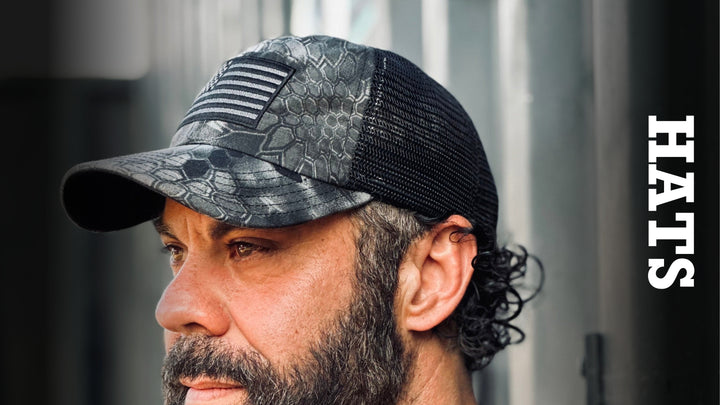
Most have a classic six-panel or structured front profile, a curved bill, and an adjustable rear closure. Many also include a loop panel for morale patches. That panel is not just decoration. It gives you the option to run a flag, unit-style identifier, or a patch that says something without covering your whole body in graphics.
The best designs stay low profile. They should sit comfortably under hearing protection, work with sunglasses, and avoid the oversized crown that catches wind or makes a cap feel top-heavy. This is tactical-inspired apparel with a job to do, not a prop from a movie set.
Materials That Hold Their Ground
Cotton twill remains a strong choice because it is familiar, breathable, and gets better with wear. It has enough structure for everyday use without feeling stiff. Ripstop fabric is another solid option for people who spend serious time outside. Its reinforced weave resists tearing better than basic lightweight fabric, though it can feel crisper and less broken-in at first.
Polyester and performance blends make sense in hot, wet, or high-output conditions. They dry fast and handle sweat well, but some can hold odor or feel less natural against the skin. There is no single perfect fabric. A broken-in cotton cap may be the best call for daily wear, while a technical blend earns its keep during summer training or long days in the heat.
Pay attention to the sweatband too. A cheap sweatband turns a good-looking cap into a miserable one after an hour. A comfortable interior band helps manage sweat, reduces forehead pressure, and keeps the hat from sliding around when you are moving.
Choose the Right Operator Style Hat for the Mission
Start with how you will actually use it. A range-day hat needs a bill that cuts glare without interfering with eye and ear protection. A work hat needs to survive dust, sweat, and repeated wear. A travel hat should pack easily, adjust quickly, and look clean enough for a stop at a restaurant or a meeting.
Color matters for more than appearance. Black is sharp, versatile, and easy to pair with almost anything, but it absorbs heat under direct sun. Coyote, olive, charcoal, and faded earth tones hide dirt better and fit naturally with field gear, denim, workwear, and subdued patriotic graphics. A camouflage pattern can work well in the right environment, but it is not required to make the hat functional.
Fit is where people get it wrong. If a cap gives you a headache, leaves a deep line across your forehead, or rides up every time you look down, it is not the right cap. Snapbacks are quick and familiar. Hook-and-loop closures offer more precise adjustment, especially if you switch between wearing a hat alone and wearing it with ear pro. Fitted caps can feel great once you know your size, but they give you less flexibility.
Before you commit, run a simple reality check:
- Wear it with your usual sunglasses and hearing protection.
- Look down, bend over, and move your head with purpose.
- Check whether the bill blocks sunlight without blocking your view.
- Make sure the crown does not pinch, wobble, or sit like a billboard.
The Patch Panel: Earned Style, Not Clutter
A loop patch panel is one of the defining features people look for in operator style hats. It is also easy to overdo. One well-chosen patch has more impact than a chaotic collection of slogans fighting for attention.
A subdued American flag, a personal marker, a unit-inspired design, or a statement rooted in the values you live by can all make sense. Keep the context in mind. What belongs on a range cap may not be what you wear at a family event, on a job site, or while traveling. Having the option to change patches is useful because your environment changes.
The same principle applies to branding. A strong design does not need to beg for approval. Rogue American Apparel has built its identity around that kind of conviction: gear and apparel for people who stand for something. Let the hat carry the message, but let your conduct back it up.
How to Wear It Without Looking Like You Are Playing Dress-Up
The line between tactical style and tactical cosplay is simple: function and restraint. Wear the gear that makes sense for your day, and skip the extras that do nothing but add noise.
An operator-style cap works naturally with a well-fitting tee, jeans, boots, shorts, or work pants. It also pairs well with a flannel, lightweight jacket, or range-ready layer when the weather turns. Keep the rest of the outfit grounded. Clean boots, durable fabric, and a fit that lets you move will always look better than piling on pouches, patches, and camouflage without a reason.
For range use, the cap should support the essentials. Its bill helps with glare, its crown should work under ear protection, and its fit should stay stable when drawing, loading, moving, and looking downrange. If you shoot prone or spend time behind optics, test the bill position. A bill that feels fine standing up can become an annoyance when it hits your eyewear or limits your sight picture.
For work and everyday wear, think less about labels and more about utility. A cap that can take sweat, brush off dust, and still look presentable at the end of the day is worth more than three trendy hats that lose their shape after a season.
Care That Keeps a Hard-Use Hat Looking Right
Hard wear does not mean no care. Sweat, skin oil, dust, and sunscreen will eventually stain any hat, especially lighter colors. Start with a soft brush or damp cloth for surface dirt. Spot-clean the sweatband with mild soap and cool water, then let the cap air-dry in its natural shape.
Avoid tossing structured hats into a hot dryer. Heat can warp the bill, shrink fabric, and break down adhesives or internal structure. If the hat gets soaked, reshape it by hand and dry it away from direct heat. For stubborn odor, a gentle hand wash is usually safer than an aggressive machine cycle.
Do not wait until it looks destroyed. Light, regular cleaning preserves the fabric and keeps sweat from setting deep into the band. A hat with honest wear has character. A hat coated in salt rings and old grime just looks neglected.
Buy for Reps, Not for the Photo
The best operator-style hat is the one you reach for without thinking. It fits your head, matches your environment, takes abuse, and does not need constant adjustment. That may be a breathable performance cap for hot range days, a cotton twill cap for everyday use, or a subdued patch hat that carries your colors without making a scene.
Choose one that can handle real reps. Then wear it until the bill fades, the fabric breaks in, and it becomes part of the routine you have built.