



Patriotic Apparel for Gym Training: The 2026 Guide
Table of Contents
- Why Patriotic Apparel Belongs in the Gym
- Durable Military-Inspired Gym Shirts That Hold Up
- How to Choose Gym Clothes for High-Intensity Training
- The Benefits of Compression Gear for Athletes
- Gym-Ready Shorts and Silkies Built for Work
- Caring for Graphic-Heavy Patriotic Apparel
- Conclusion
- Frequently Asked Questions
Last Updated: September 14, 2026
Why Patriotic Apparel Belongs in the Gym
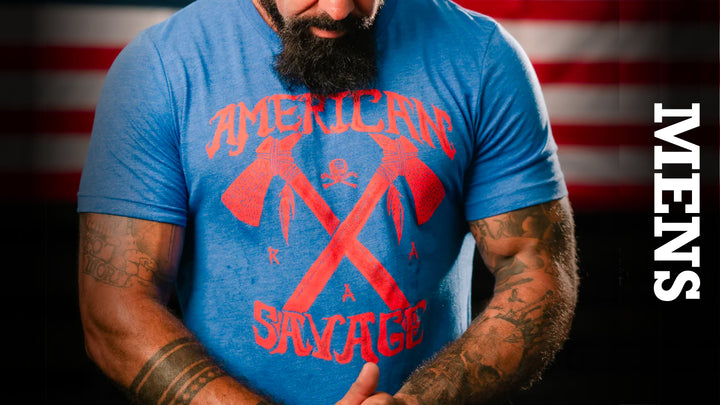
Patriotic apparel for gym training is workout clothing that carries American flag design, military-inspired graphics, or freedom-focused messaging while still meeting the performance demands of serious training. At Rogue American, we've built that category from the ground up since 2011, because the gear you wear under a barbell should say something about who you are.
Walk into any commercial gym and you'll see a sea of identical logo tees. For veterans, law enforcement, and tactical athletes, that uniformity misses the point. Your training is part of a disciplined lifestyle, and what you wear can reflect that.
The American Council on Exercise guide to workout clothing notes that fabric choice affects thermoregulation and comfort during exercise. Graphic tees built on breathable tri-blend fabric deliver both the message and the moisture management.
Below, we break down what actually holds up under load, how to match gear to your training style, and how to keep graphic-heavy pieces looking sharp after a hundred washes.
Durable Military-Inspired Gym Shirts That Hold Up
Durable military-inspired gym shirts are graphic tees constructed from pre-shrunk poly-cotton blends with reinforced stitching, built to survive repeated washing and heavy training without losing shape or print quality. The construction matters more than the graphic.
A common mistake is buying on design alone. Cheap cotton tees fade, shrink, and develop collar sag within months. Look for these markers instead:
- Fabric weight and blend: 60/40 poly-cotton tri-blend resists shrinking and holds print better than 100% cotton
- Pre-shrunk construction: Prevents the fit you bought from becoming the fit you didn't
- Breathability: Lightweight weave keeps you cool through conditioning work
- Print method: Screen-printed graphics outlast heat-transfer decals
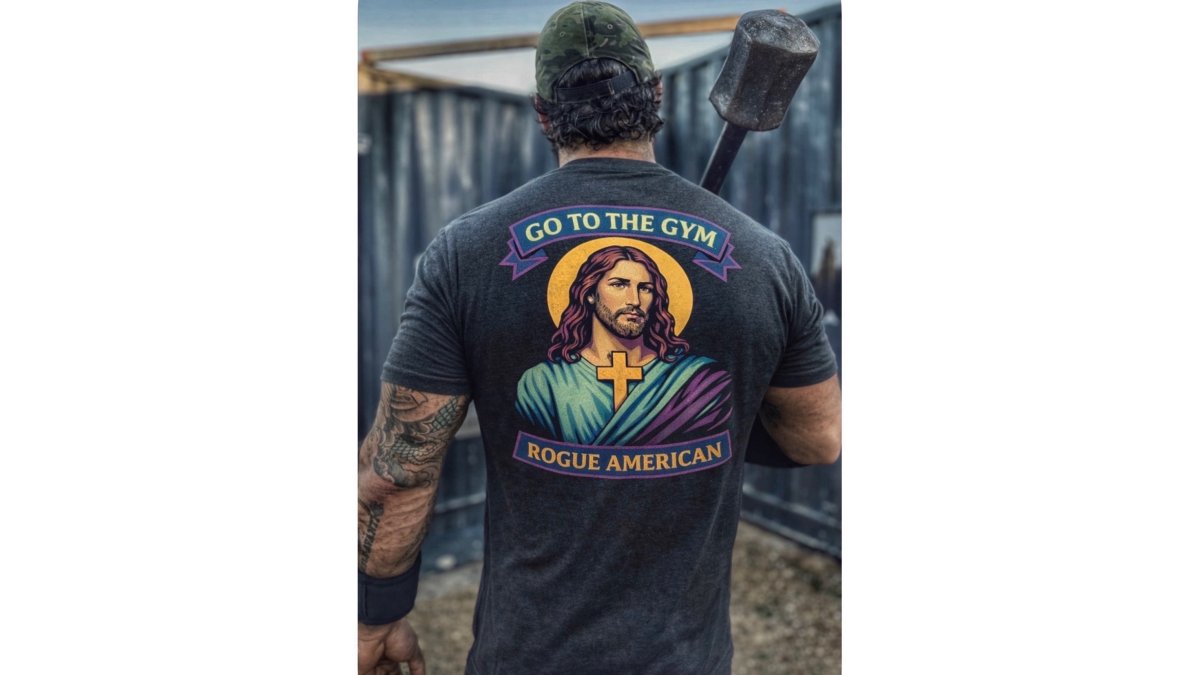
Rogue American's Angel over Crusaders Patriotic Men's Shirt checks every box: premium 60/40 poly-cotton tri-blend in dark grey, pre-shrunk for a consistent fit, and soft enough for a two-hour session. The Go to the Gym tee runs on the same fitted tri-blend platform, and both hold their shape where budget tees give out.


How to Choose Gym Clothes for High-Intensity Training
Choosing gym clothes for high-intensity training comes down to four variables: fabric breathability, fit, moisture handling, and durability under repeated stress. Get those right and the graphic becomes a bonus rather than the deciding factor.
Start with the training itself. Different sessions demand different gear.
| Training Type | Priority | Recommended Gear |
|---|---|---|
| Strength and powerlifting | Support and durability | Fitted tees, knee sleeves |
| Cross-training and HIIT | Mobility and breathability | Tanks, 4-way stretch shorts |
| Functional fitness | Range of motion | Silkies, lightweight tanks |
| Outdoor conditioning | Layering and coverage | Tri-blend tees, long shorts |
Fit deserves special attention. An athletic fit should move with your shoulders and chest without binding at the armpit. If a shirt rides up during overhead presses, it's the wrong cut.

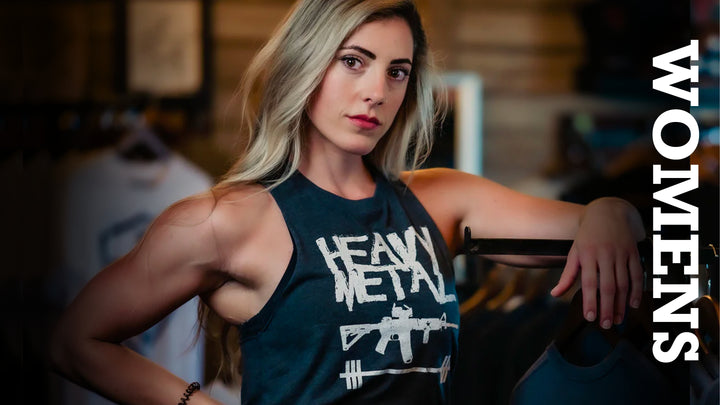
For high-intensity work, tanks like the Slow is Smooth, Smooth is Fast Tank and the Coffee and Klashnikov Tank offer unrestricted shoulder rotation. Both use 60/40 poly-cotton tri-blend, so they breathe through intervals and stay soft against skin.
The Benefits of Compression Gear for Athletes
Compression gear works by applying graduated pressure that is highest at the far end of a limb and decreases as it moves toward the torso. That gradient helps the underlying veins push blood back toward the heart, which is why the Cleveland Clinic overview of compression therapy frames compression as a circulation and swelling-management tool rather than a magic strength multiplier. In the gym, the practical benefits show up in three places: joint support under load, reduced muscle oscillation during explosive work, and better body awareness (proprioception) when you are moving fast under fatigue.
Compression is not one product. It is a category, and each piece solves a different problem.
| Piece | What it actually does | Best for | Trade-off |
|---|---|---|---|
| Knee sleeves | Keeps the patella tracking, holds warmth in the joint, adds rebound out of the hole | Squats, front squats, carries | Can feel restrictive on long conditioning days |
| Compression tops | Reduces chest and shoulder bounce, keeps fabric from bunching under a bar | Bench, overhead press, sprint work | Warmer than a loose tee; not ideal for hot outdoor sessions |
| Wrist wraps | Limits excessive wrist extension under heavy pressing | Bench, overhead press, log press | Over-wrapping too tight can cut off circulation |
| Compression shorts | Supports the hip and hamstring, reduces chafing on long runs | Sprints, rucks, HIIT | Fit is unforgiving if sizing is off |
Knee sleeves are the piece most lifters actually need. Rogue American's DOI Knee Sleeves are 7mm neoprene, which is the thickness powerlifters and strongman competitors tend to prefer because it holds warmth and gives a small rebound at the bottom of a squat without the stiffness of a 9mm competition sleeve. If you are new to sleeves, 5mm is a reasonable starting point for general training; 7mm is the step up once you are moving serious weight.
A common mistake is treating compression as a substitute for a breathable base layer. It is not. Sleeves handle the joint; the shirt handles the heat. Pairing a 7mm sleeve with a 60/40 poly-cotton tri-blend tee keeps the joint supported without turning your torso into a sauna. For outdoor sessions, drop the compression top and keep the sleeves, or move to a lighter 5mm sleeve if the temperature is high.
What most guides skip is that compression gear is a training tool with a specific window. It shines under heavy, low-rep work and during high-impact conditioning. It adds little during yoga, mobility work, or long steady-state cardio, where unrestricted movement matters more than support.
Gym-Ready Shorts and Silkies Built for Work
Gym-ready shorts and silkies are training bottoms designed for unrestricted movement, quick drying, and secure fit during squats, sprints, and field work. Silkies in particular have become standard issue for military athletes because they move the way a body actually moves.
The U.S. Army physical readiness training guidance reflects what decades of field experience already taught: training bottoms need to allow full range of motion without chafing or riding up. That's the standard silkies were built to meet.
Rogue American's silkie lineup covers the range:
- Loud and Proud Silkies with Pockets: warrior graphics with the convenience of pockets
- He Man Silkies with Pockets: high-quality construction for gym or field
- Rhodesian Silkies with Pockets: bold design, superior craftsmanship
For something with more structure, the Knuckle Duster Shorts use 94% polyester and 6% spandex for 4-way stretch and quick drying, with an elastic waistband and drawstring for a locked-in fit. The Hot for Teacher Shorts run the same fabric blend with a red, white, and black design that works from leg day to a lazy Sunday.
For outdoor sessions, layer a tri-blend tee under a tank for warmth without bulk. Indoors, skip the layer and let the breathable fabric do its job.
Caring for Graphic-Heavy Patriotic Apparel
Caring for graphic-heavy patriotic apparel means protecting two things at once: the print and the performance fabric. Most graphic failures come from heat and abrasion in the wash, not from training. Most moisture-wicking failures come from residue buildup that clogs the fabric's ability to move sweat away from your skin. Both problems are preventable with the same routine.
The routine that works:
- Turn the garment inside out before washing
- Machine wash cold on a gentle cycle
- Use a small amount of mild detergent, not a heavy pour
- Skip fabric softener and dryer sheets entirely
- Hang dry rather than tumble dry
- Avoid ironing directly over the graphic
Why each step matters:
Inside out. The print sits on the outside of the shirt. Flipping it inward means the graphic rubs against other fabric instead of against the drum, which is where the abrasion that cracks screen prints actually happens.
Cold water. Heat is what breaks down the plastisol inks used in screen printing and what shrinks cotton fibers. Cold water keeps both the print and the fit where you bought them.
Mild detergent, no softener. Fabric softener and dryer sheets leave a waxy residue on synthetic fibers. That residue is the single most common reason a moisture-wicking shirt stops wicking. If your tri-blend tee starts feeling clammy after a few months, residue buildup is usually the culprit, not the fabric wearing out.
Hang dry. Dryer heat does double damage: it shrinks cotton and it degrades the elastic in stretch fabrics. Silkies and 4-way stretch shorts like the Knuckle Duster Shorts hold their shape far longer when they never see the inside of a dryer.
No direct ironing. If a shirt comes out wrinkled, iron it inside out on low, or steam it. A hot iron pressed directly on a screen print will melt or gloss the ink.
A few specifics for the pieces in this guide:
- Tri-blend tees (60/40 poly-cotton): The poly content is what resists shrinking and holds print. Cold wash and hang dry keep both properties intact.
- Silkies: The lightweight nylon or polyester blend dries fast on its own. Hang them over a chair and they are ready by morning.
- Stretch shorts (94% polyester / 6% spandex): Spandex is the first thing to go in a hot dryer. Treat these like the tees: cold wash, hang dry, no softener.
- Knee sleeves (7mm neoprene): Rinse with cool water after heavy sessions to clear sweat and chalk, then air dry away from direct sun. Neoprene does not belong in the washing machine.
Conclusion
Finding gear that performs under load and says something about your values shouldn't require a compromise. Rogue American builds veteran-owned, military-inspired apparel for people who train with purpose: breathable tri-blend tees, 7mm neoprene knee sleeves, and silkies with pockets that hold up to real work. Sign up and save on your next order, and gear up with apparel built to stand shield-to-shield with you.
Frequently Asked Questions
What features should I look for in high-intensity gym apparel?
Prioritize moisture-wicking fabrics that pull sweat away from your skin, like the 60/40 poly-cotton tri-blend used in Rogue American shirts. Look for reinforced stitching at stress points, pre-shrunk fits that won't ride up, and breathable materials. For shorts, four-way stretch and quick-drying properties matter. Flatlock seams prevent chafing during repeated movements. Also check that graphics are printed to last, not crack after a few washes.
Is patriotic gym wear durable enough for heavy lifting?
It can be, provided you pick the right construction. Rogue American's durable military-inspired gym shirts use pre-shrunk tri-blends and reinforced seams that handle barbell contact and repeated stretching. The DOI Knee Sleeves are 7mm neoprene, built for powerlifters and strongman athletes. Avoid thin, single-stitch graphics if you plan to train hard. Look for apparel specifically tested in functional fitness settings, not just fashion pieces.
What are the benefits of wearing moisture-wicking fabric during training?
Moisture-wicking fabric moves sweat to the surface where it evaporates faster, keeping you drier and cooler. This reduces chafing, helps regulate body temperature, and prevents that heavy, soaked feeling mid-workout. For high-intensity interval training or hot gym sessions, it makes a noticeable difference in comfort. Materials like polyester-cotton blends in Rogue American tanks and shirts offer breathability without clinging. You stay focused on reps, not on adjusting wet clothes.
How does military-inspired apparel differ from standard gym wear?
Military-inspired apparel often uses tougher fabrics, functional details like pockets, and a fit designed for movement under stress. Standard gym wear might prioritize fashion or minimalism. Rogue American's silkies, for example, include pockets and quick-dry fabric, features borrowed from tactical gear. The aesthetic is also bolder, with flag designs and warrior graphics. It's gear that works as hard as you do, whether you're in a gym or on a field.