



Patriotic Apparel Versus Mainstream Fashion
A faded flag tee, a clean tactical cap, a pair of jeans built to take abuse - those choices say something before you ever open your mouth. That is the real split in patriotic apparel versus mainstream fashion. One is usually built to signal belonging to a trend cycle. The other is built to signal what you believe, what you back, and what kind of ground you stand on.
That difference matters because clothing is never just fabric. It is a uniform, whether people admit it or not. Mainstream fashion often asks, what is hot right now? Patriotic apparel asks, what do you stand for when the noise dies down?
Patriotic apparel versus mainstream fashion is really about identity
Mainstream fashion sells novelty. It moves fast, changes faster, and rewards consumers for keeping up. New cut, new color, new microtrend, new campaign. If you miss one season, another one is already lined up behind it.
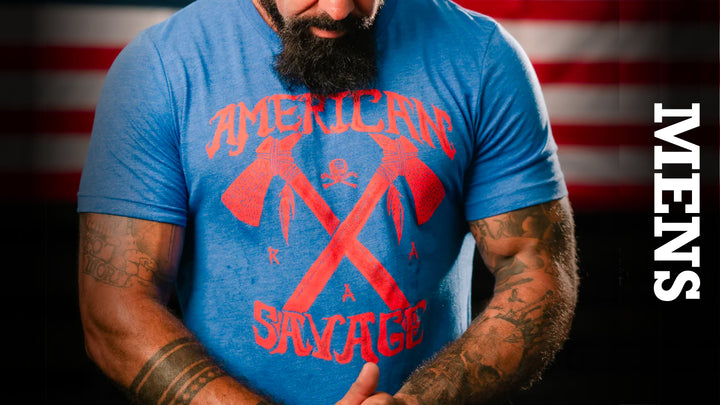
Patriotic apparel plays a different game. It is less about chasing approval and more about declaring alignment. Military-inspired graphics, heritage colors, hard-use silhouettes, and American symbolism are not random design choices. They tell people you value service, grit, loyalty, and self-reliance.
That does not mean every patriotic piece has to scream at full volume. Some gear is bold by design. Some is quieter. A solid field jacket, a well-cut black tee with a sharp chest hit, or a hat with a disciplined look can carry the same message without looking like a costume. The point is not volume. The point is conviction.
What mainstream fashion gets right
If we are going to make a real comparison, mainstream fashion does have strengths. It is usually faster to adapt to changing fits, fabrics, and styling preferences. That means shoppers can find a wider range of silhouettes, from oversized cuts to athletic tailoring, and more experimentation in color and texture.
It also gives people flexibility. Not everybody wants every outfit to carry ideological weight. Sometimes a guy just wants a clean hoodie or a simple pair of shorts that blend in at a casual dinner or office with a loose dress code. Mainstream brands are built for that broad appeal.
There is also a convenience factor. Mainstream retailers cast a wide net, so they often make it easy to shop by trend, occasion, or influencer look. If your goal is fitting into the current style landscape, they make that process simple.
But there is a trade-off. Broad appeal usually means lower commitment. The same brand trying to sell to everyone rarely stands for much of anything. That can make the product feel disposable, even when the price tag says otherwise.
Where patriotic apparel hits harder
Patriotic apparel has a built-in edge because it starts with a point of view. It is not trying to be all things to all people. It is speaking directly to veterans, first responders, hard-training civilians, and Americans who refuse to water down what they believe.
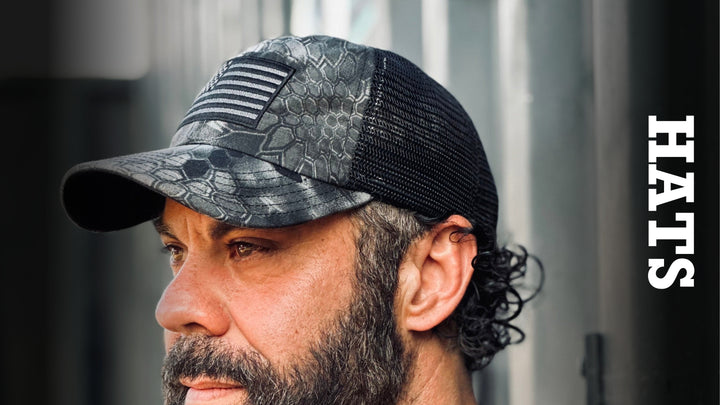
That point of view changes the product. A shirt is not just a shirt if the cut, print, and message are designed for someone who values toughness over trend-chasing. A hat feels different when it is made to look like it belongs at the range, on the road, or in a garage instead of under fluorescent lights in a mall display.
The best patriotic brands also understand that graphics alone are not enough. If the fit is sloppy or the fabric feels cheap, the message falls apart. Real customers in this lane want gear that can handle movement, sweat, repeated wear, and daily life. They are not buying for one mirror selfie. They are buying for training days, travel days, coffee runs, and long weekends where comfort and durability actually matter.
Style versus substance is the wrong fight
A lot of people frame patriotic apparel versus mainstream fashion like one side has style and the other has substance. That is lazy thinking. Good patriotic apparel should have both.
The old stereotype says patriotic clothing is loud, boxy, and heavy-handed. Some of it is. Just like some mainstream fashion is flimsy, forgettable, and designed to be outdated in six weeks. Neither category is automatically better because of the label attached to it.
The real question is execution. A strong patriotic brand can produce cleaner fits, better materials, and sharper design language than plenty of mass-market labels. On the other hand, a bad patriotic brand can hide behind flags and slogans while delivering weak quality. You still have to judge the build, the fit, and whether the design looks intentional.
That is where mature buyers separate themselves from impulse buyers. They do not just ask whether something sends a message. They ask whether it earns a place in the rotation.
The quality question matters more than the logo
If you wear your gear hard, quality stops being a luxury and starts being a filter. Stitching, fabric weight, print durability, and fit consistency matter. So does whether the piece holds shape after repeated washing and whether it moves with you instead of fighting you.
Mainstream fashion often wins on variety, but not always on build. Fast-turn retail depends on volume and speed. That can lead to inconsistent quality, especially in trend-driven collections built for a short shelf life.
Patriotic apparel tends to attract customers who notice the difference. These are people who have worn uniforms, worked long shifts, trained in rough conditions, or simply refuse to waste money on gear that quits early. They are more likely to value pieces that feel substantial and built with purpose.
For that reason, the best brands in this space do not survive on messaging alone. They survive because the product backs up the identity. That is a big part of why veteran-founded brands like Rogue American resonate. The credibility is not just in the branding. It is in understanding what this customer expects from the first wear to the fiftieth.
Why mainstream fashion often feels hollow
Mainstream fashion has become expert at reading culture without truly belonging to it. It borrows military details, Americana references, workwear cuts, and rugged imagery, then strips out the meaning and sells the shell back as a seasonal aesthetic.
That can make the whole thing feel performative. One month patriotism is marketable. The next month it is pushed aside for whatever tests better with a broader audience. That is the problem with brand identity built by committee. It shifts when pressure hits.
For buyers who care about country, service, and personal code, that kind of inconsistency is hard to ignore. They are not looking for a costume version of toughness. They want authenticity. They want to buy from people who actually understand the weight behind the symbols.
Who should choose what
It depends on what you want your clothes to do.
If your priority is blending in, tracking trend cycles, and keeping your style neutral enough for any crowd, mainstream fashion may serve you just fine. There is nothing wrong with wanting flexibility, especially if your work or social environment demands it.
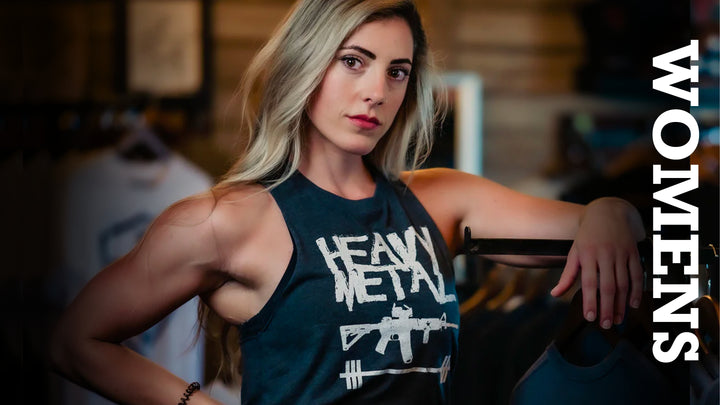
If your priority is wearing gear that reflects your values and carries a stronger sense of purpose, patriotic apparel makes more sense. It is especially strong for men and women who see clothing as part of their identity kit, right alongside training habits, everyday carry choices, and how they show up in the world.
For a lot of people, the answer is not all or nothing. A smart wardrobe can pull from both. You can wear clean basics from anywhere and still build the core of your rotation around pieces that mean something. The key is making sure the center of your wardrobe reflects your actual standards, not just whatever the algorithm pushed this week.
The better question to ask before you buy
Forget what is trending for a minute. Ask a harder question. When you put this on, does it feel like you - or does it feel like borrowed identity?
That is the line that matters in patriotic apparel versus mainstream fashion. One path is built around temporary relevance. The other is built around principle. Not every patriotic piece is automatically better, and not every mainstream piece is worthless. But if you care about authenticity, durability, and wearing something that actually stands for something, the gap gets pretty clear.
Wear what matches your code. Trends fade fast. Conviction does not.