



Military Streetwear Trends Built for Real Life
A field jacket thrown over a soft, thin tee is not military streetwear. It is a costume waiting for bad weather. The military streetwear trends worth wearing now are built around a harder standard: durable materials, clean function, disciplined color, and graphics that say something without begging for attention.
For veterans, first responders, lifters, tradesmen, and civilians who carry themselves with purpose, this shift matters. The goal is not to imitate a uniform or pretend to have earned a patch. It is to wear gear that reflects the traits behind the uniform: readiness, grit, loyalty, and the willingness to handle what is in front of you.
Military Streetwear Trends Are Getting More Purposeful
The tactical look has been around for years, but the loudest version of it is losing ground. Head-to-toe camouflage, overloaded pockets, and novelty patches can read more like dress-up than strength. The better direction is quieter and more intentional. Think heavyweight shirts, structured overshirts, utility pants with a restrained silhouette, and graphics with a clear point of view.
Function is the difference. A well-built pair of cargo pants earns its place when the fabric can take abuse, the pockets are useful, and the cut still works when you are driving, training, traveling, or meeting friends. A tough shirt earns its place when it holds its shape after repeated washes instead of twisting up like disposable mall cotton.
Streetwear has also moved away from the idea that every fit needs to be oversized. Relaxed cuts are still strong, especially for layering, but the best fits have structure. Shoulders should sit right. Sleeves should not swallow your hands. Pants should give you room to move without looking like they belong on a parachute rig.
The New Uniform: Earth Tones, Black, and Controlled Contrast
Color is doing much of the work in military-inspired style. Olive drab, ranger green, coyote brown, sand, charcoal, black, and faded gray are more versatile than loud seasonal colors because they were never designed to chase a season. They work with denim, boots, sneakers, workwear, and training gear. More importantly, they look better after they have been worn hard.
Black remains the anchor, but an all-black outfit can flatten out fast. Break it up with washed olive pants, a tan cap, or a gray overshirt. Pair dark denim with a military green tee. Use one camo piece as an accent rather than running the pattern from hat to pants. The strongest outfits have contrast, but it is controlled.
Camo deserves a little discipline. Woodland and multicam-inspired patterns are still relevant, especially on jackets, hats, bags, and shorts. But camouflage carries real military associations. Wear it with respect and avoid mixing several patterns in one look. One piece is a statement. Three pieces can become noise.
Heavyweight Tees Are Replacing Disposable Basics
The plain tee has become a front-line piece in streetwear. That means weight, fit, and print quality matter. Lightweight shirts that cling, shrink, or lose their collar after a few washes are out. Heavyweight cotton, reinforced necklines, and a cut that sits clean through the chest and shoulders are in.
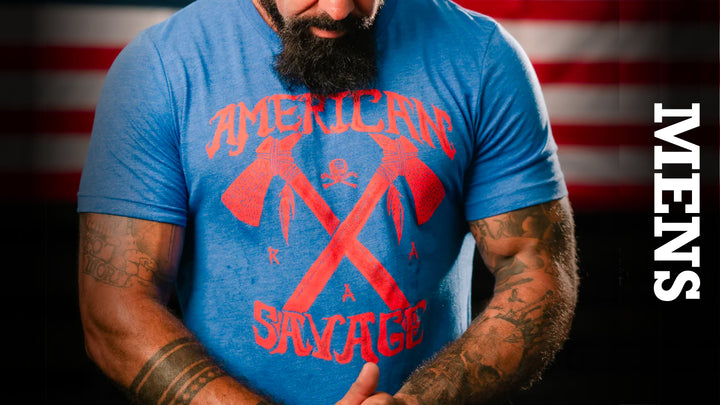
Graphic tees are still central to the culture, but the message needs backbone. A design with a warrior mindset, a patriotic edge, or a nod to the brotherhood of service hits harder when the artwork is sharp and the shirt itself is built to last. The shirt should feel like equipment, not a giveaway item.
Fit is personal. Athletic builds may prefer a closer chest and a little more room through the midsection. Bigger guys often look stronger in a straight fit than in an aggressively slim one. If you train hard, do not buy shirts that make movement a problem just to chase a silhouette. The right gear should work as hard as you do.
Utility Pants Need a Clean Silhouette
Cargo pants are back because people finally remembered that pockets are useful. The catch is that fit separates modern utility wear from sloppy tactical cosplay. Look for a tapered or straight leg, durable fabric, and pockets that lie flat when empty. A cuffed jogger-style cargo works well with runners and trainers; a straight-leg cargo is better with boots, skate-style shoes, or a heavier jacket.
Technical fabrics have their place, particularly for travel and range days. Ripstop, stretch blends, water resistance, and reinforced panels can be practical advantages. But not every day calls for synthetic fabric and zippered everything. Cotton canvas, duck cloth, and tough denim bring more character and often age better. It depends on the mission.
For an easy daily uniform, start with black or olive utility pants, a heavyweight tee, and clean boots or low-profile sneakers. Add a field jacket when the weather turns. That combination does not rely on trends to make sense. It simply works.
Graphics Are Becoming More Direct
Military streetwear has always had a message, but current graphics are getting cleaner. Large front prints can still hit hard, especially on a black tee or hoodie, yet the strongest designs avoid clutter. A strong symbol, an unapologetic phrase, a weathered flag treatment, or an emblem with real meaning can carry more weight than a dozen disconnected elements.
This is where identity matters. Apparel can signal that you believe in service, freedom, self-reliance, and standing with the people who protect their communities. That message does not need to be watered down for approval. It does need to be honest.
Avoid graphics that borrow unit insignias, awards, or service claims you have not earned. Supporting military culture is not the same as manufacturing a record. There is plenty of room for bold American imagery, tactical grit, and warrior culture without crossing that line.
Layers That Pull Their Weight
The best military-inspired layers are practical before they are fashionable. Field jackets, coach jackets, work shirts, hoodies, and insulated vests all earn their place because they solve a real problem. They protect against wind, add storage, or give an outfit structure when a tee alone is not enough.
A field jacket in olive or black is one of the most useful pieces in the category. Wear it over a fitted graphic tee and denim for a clean, hard-edged look. Put it over a hoodie when temperatures drop. Choose a jacket with enough room to layer, but not so much that it hangs like borrowed gear.
Hoodies are another essential, especially in heavyweight fleece. A good hoodie should have a substantial hood, cuffs that recover after wear, and a body length that does not ride up every time you move. Keep the rest of the outfit simple. A bold hoodie needs dark denim, utility pants, or athletic shorts - not more competing graphics.
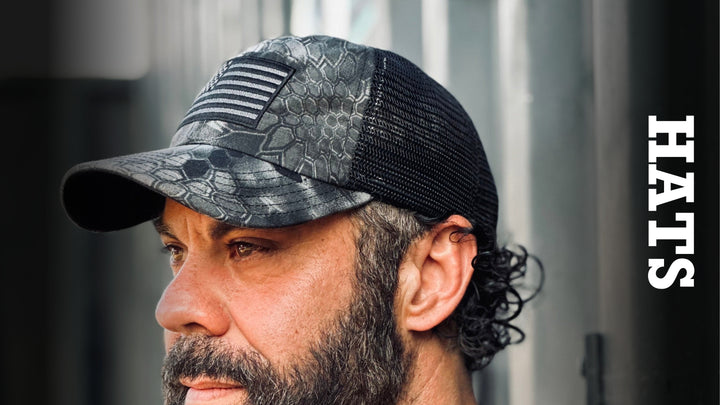
Accessories should follow the same rule: carry purpose. A structured cap, durable duffle, simple watch, or patch-ready bag can finish an outfit without turning it into a costume. If an accessory does nothing but add clutter, leave it behind.
Build a Wardrobe, Not a Costume
Real style does not come from buying every tactical-looking item in sight. Build around pieces that can take a beating and work together: heavyweight tees, dark denim, olive or black utility pants, a dependable hoodie, a field layer, and footwear that matches your actual life. Then add graphics and accessories that reflect what you stand for.
Rogue American Apparel understands that clothing can carry conviction. The point is not to blend in with whatever the fashion cycle demands. It is to show up prepared, wear your values plainly, and choose gear with enough grit to keep up.
Wear the colors with intention. Respect the culture behind the influence. Then make the look your own - not because it is trending, but because it fits the way you live.